



Stop Losing Money Every Time the Temperature Drops
Let’s be honest: as soon as it gets chilly, your outdoor seating becomes a ghost town. Most people try to fix this with those big convection heaters. But here’s the problem—they try to heat the air. If there’s even a slight breeze, that heat just blows away, leaving your guests shivering in their coats. We do things differently. We use shortwave infrared (IR) tech. Instead of fighting the wind, this heat skips the air entirely and goes straight to the skin and clothes of your guests. It feels like standing in a patch of sunlight on a crisp fall day.
The “Heat Bubble” Effect
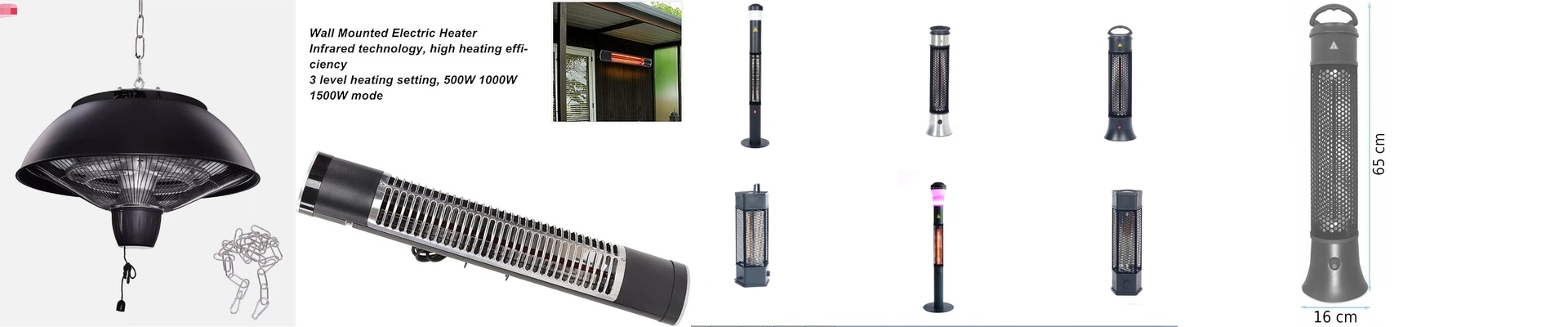
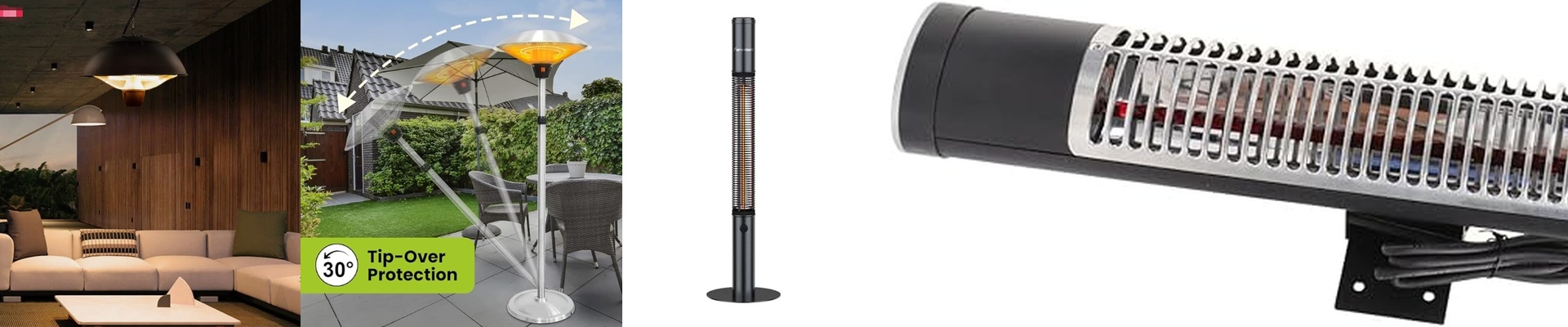
If you want people to actually stay in those seats during winter, you need heat that hits hard and hits fast. Our table heaters don’t need ten minutes to “warm up.” You flip the switch, and the warmth is instant. We’ve built them with heavy-duty, waterproof housings, so you don’t have to panic when a sudden rainstorm or a flurry of snow hits your patio. The best part? The heat is concentrated. It creates a cozy little bubble right around the table. You aren’t wasting electricity trying to heat the entire sidewalk—just the people paying you for a meal.
Built to Take a Beating
Outdoor gear gets thrashed. Between the humidity, the salt air, and the general chaos of a busy dining room, things break. To stop that, we use sealed quartz tubes and gaskets that keep moisture out. The whole frame is powder-coated, so it doesn’t rust or peel after one season. One quick heads-up: these lamps getreallyhot. Just make sure your tables are made of materials that can handle the heat without warping or changing color.
Keep Your Guests Longer
It’s simple. Cold customers leave early. When your guests feel a steady, comfortable warmth at their table, they linger. They order that second bottle of wine. They stay for dessert. That’s how you actually grow your average check. Getting these wired in is pretty easy. But do yourself a favor: check your breakers first. These units pull a decent amount of power (around 1500W-2000W). If you plug too many into one line, you’re going to trip the system right in the middle of the dinner rush. Do a quick electrical audit before you install them, and you’ll be set for the season.