Introduction
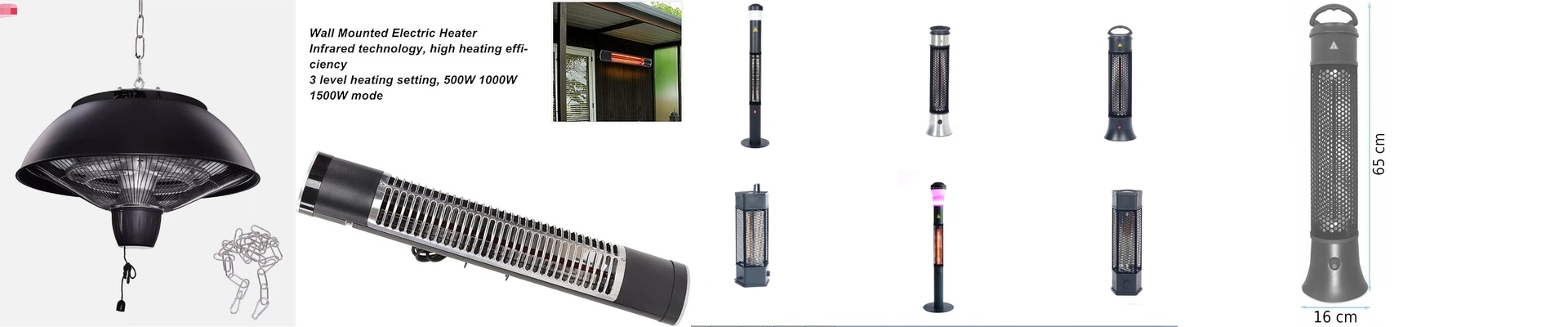
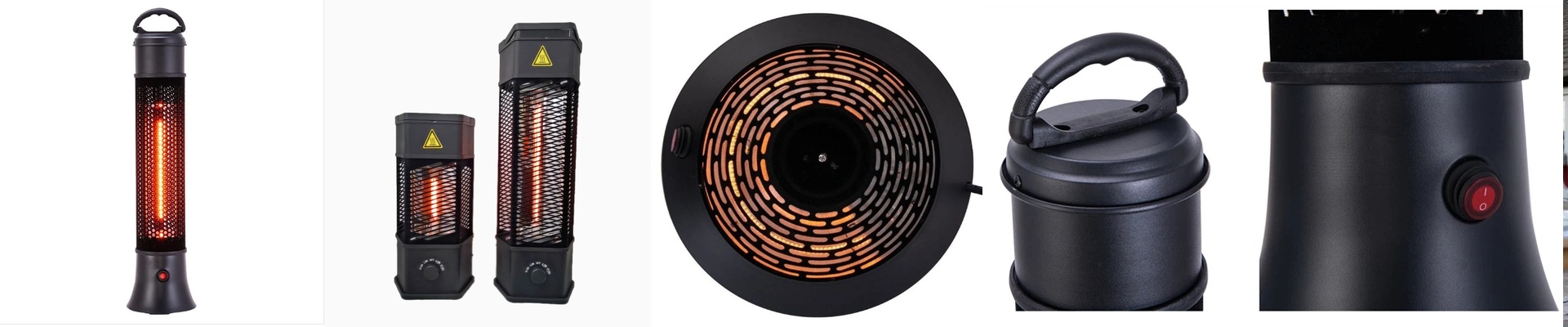
We built this programmable electric heater for the engineers who need serious heat in a tiny package. It’s compact, CE-certified, and designed for the moments when you need repeatable control in a tight footprint. Think of it as a shortwave halogen lamp, built for real-world industrial and commercial jobs where fast response, precise power, and an easy install aren’t optional. They’re mandatory.
Technical Deep-Dive
At the heart of it is a programmable infrared heater with a shortwave halogen element. That means you get rapid thermal response—power adjusts quickly, so you can match cycle times without overshooting. And because it’s CE-certified, you know it meets established safety and compliance standards for regulated environments. The power and voltage choices are all about heat density, not bulk. High wattage in a small envelope concentrates energy exactly where you need it. But that also means you need solid electrical planning. You’ll want to size the supply and control circuitry to match the load, and keep the surrounding heat in check.
Material & Design
We use a quartz envelope with a halogen fill gas. The halogen cycle keeps the filament stable and cuts down on blackening over time, so the output stays consistent across thousands of operating hours. The shortwave output is tuned for rapid absorption into target materials, which is why it shines at spot heating and process heating where speed matters. Installation is straightforward thanks to the R7s connector. It’s a practical choice for line-of-sight replacement in existing fixtures. The connector makes wiring simple and positioning repeatable, so you can swap lamps without redesigning the mounting hardware.
Application & Benefits
On the production floor, this setup gives you repeatable heat control for jobs like component drying, localized curing, and pre-heating. With programmability, you can lock in temperature profiles and reduce variation between batches. The compact size slips into tight machine spaces, and the CE mark gives you an auditable compliance trail. Here’s the trade-off: the concentrated heat boosts process speed, but it also ramps up local ambient heat. Plan your heat shielding and cooling accordingly. If you don’t, the surrounding components will feel the strain.