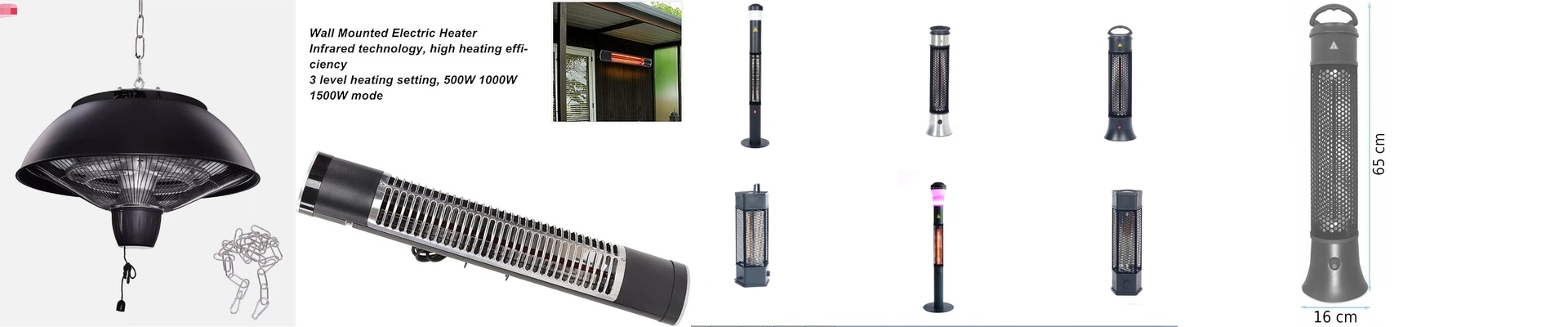
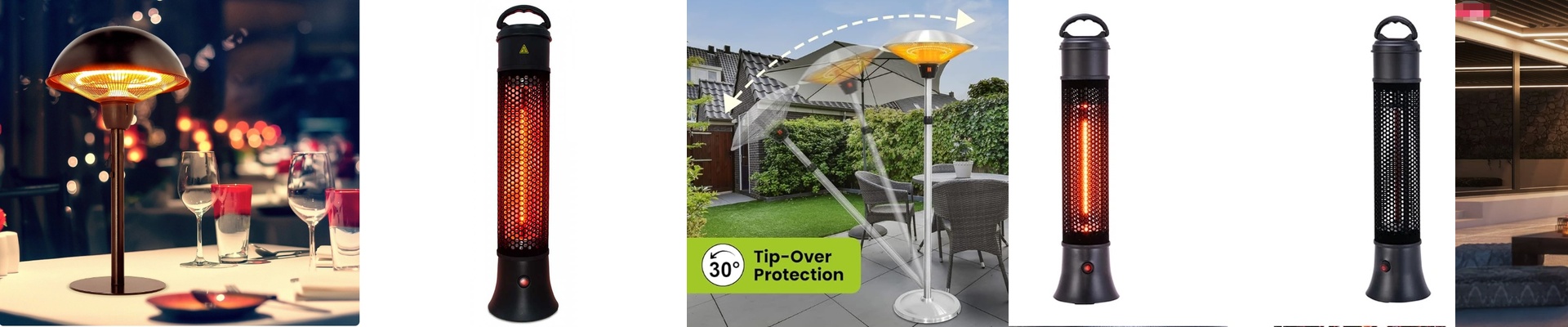
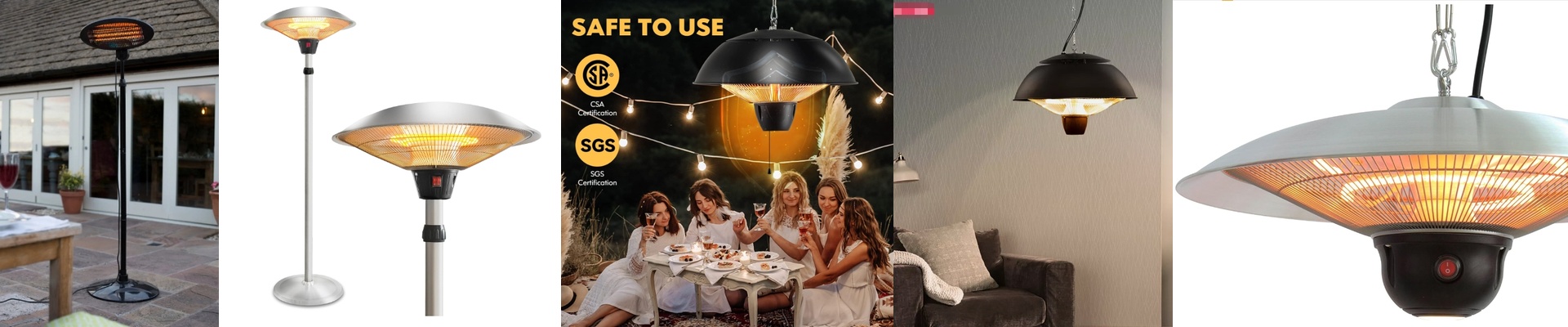
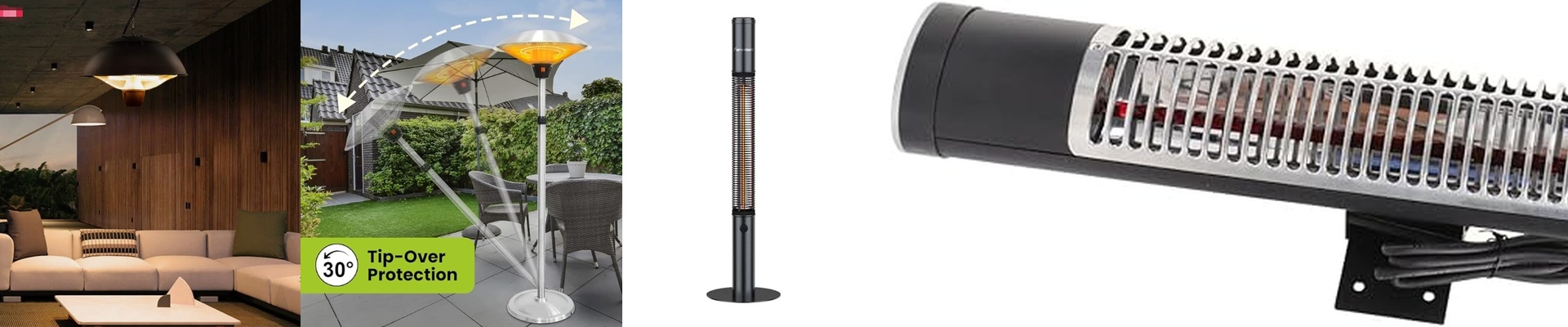
Winter evenings on the patio shouldn’t end just because the sun does. But if you’ve ever stood there weighing the meter against staying warm, you know the choice gets real fast. With energy prices where they are, that old trade-off hits harder every year.
What actually matters under the hood
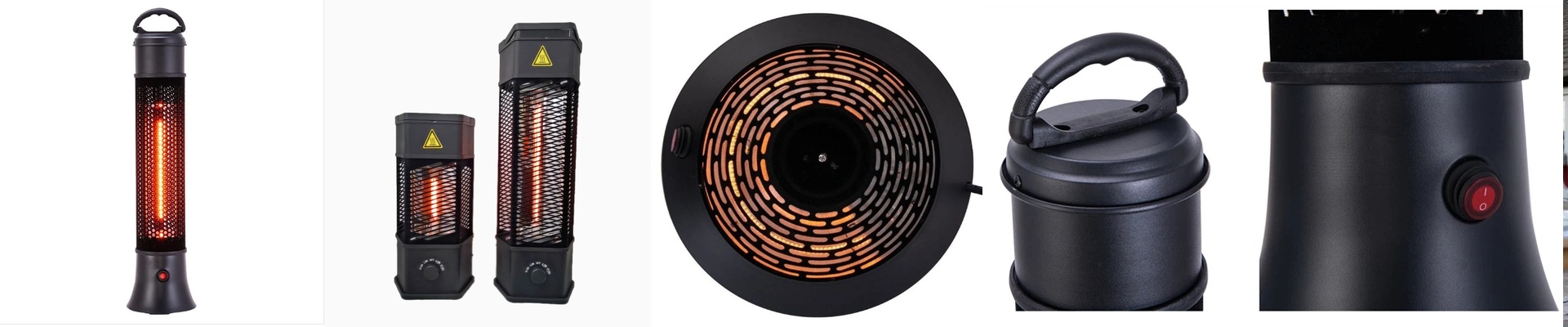
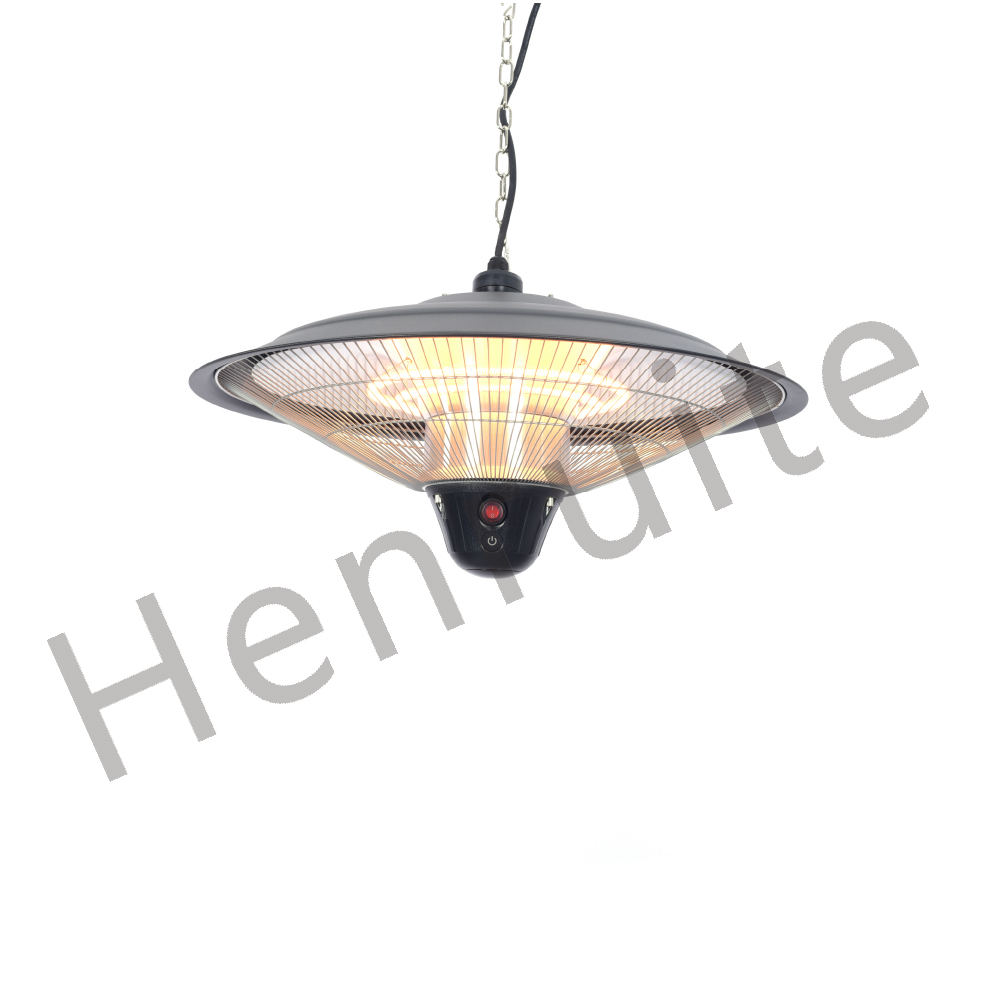
Infrared electric heaters don’t waste time warming air. They put the heat where people are—on chairs, tables, and skin—using radiant heat. A carbon fiber element comes up to temperature quickly and holds steady, so you feel the warmth the moment it’s on, not after you’ve chased it around the space. Most models run on 1,500–2,000W off a standard outlet. Add a thermostat and the heater cycles to hold comfort instead of blasting full-time. And the Bluetooth isn’t just a gimmick. It lets you trim the output and set a schedule from your phone, so you’re not burning power while you’re still outside cleaning up.
Why this shines on a covered patio
Forced-air struggles on a patio because drafts keep undoing it. Infrared targets the people and the furniture, so comfort arrives faster. In practice, that direct transfer can cut total energy use by up to 30% compared with heating air that leaks out through doorways and wind. You also get comfort you can feel. Gentle radiant heat helps muscles relax, and that’s what keeps you outside longer—whether you’re entertaining or just taking in a quiet hour under the stars.
The details that keep you out of trouble
Infrared heaters do their best work in semi-enclosed, sheltered spots. If your space is very windy and exposed, you may need a higher output model or a wind-rated outdoor heater. Installation is straightforward: plug into a grounded outlet, or hardwire it with proper protection. Either way, give the heater clearance from furniture and anything overhead. Always confirm the IP rating matches your setup, and look for the practical safety extras—tip-over protection and a protective grill.