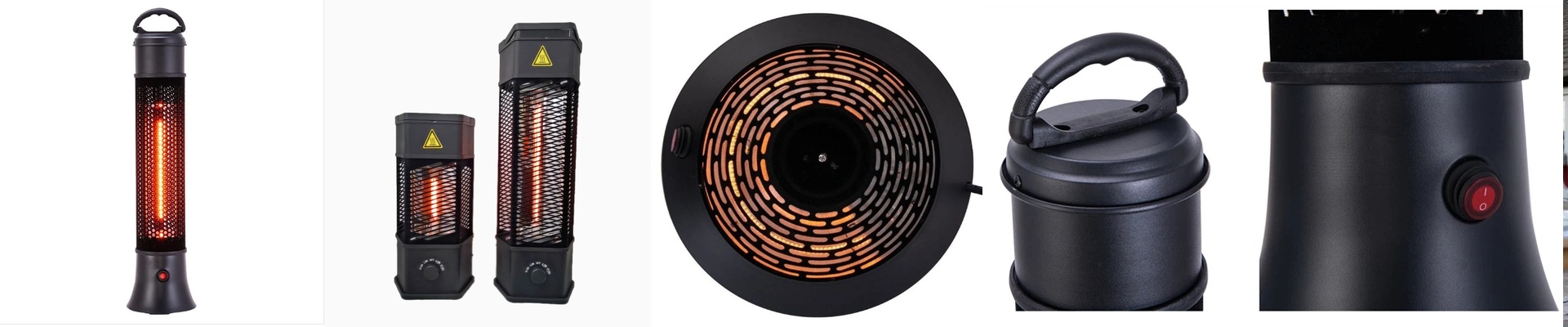
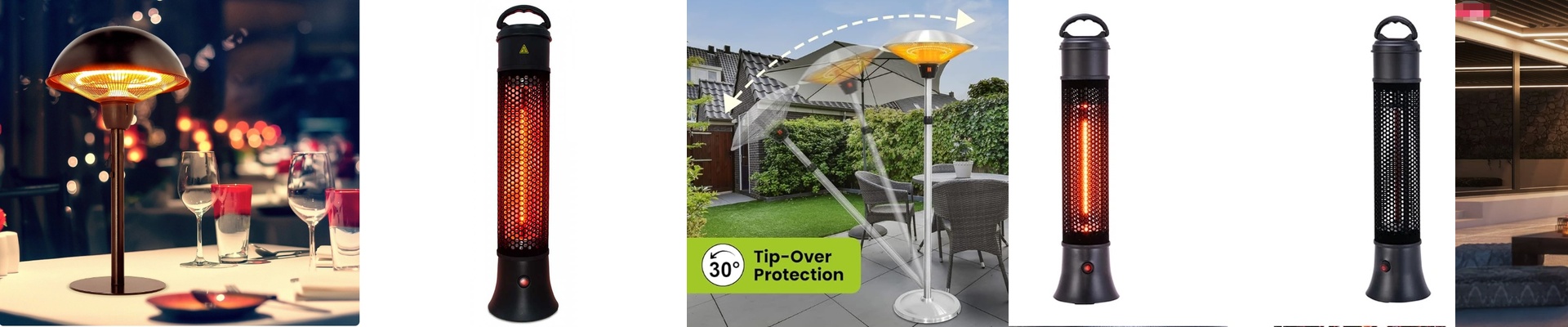
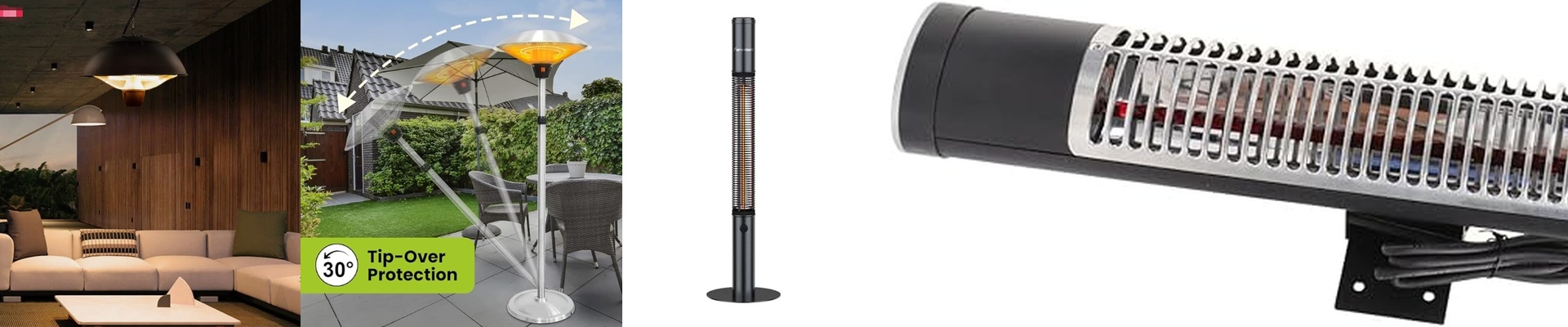
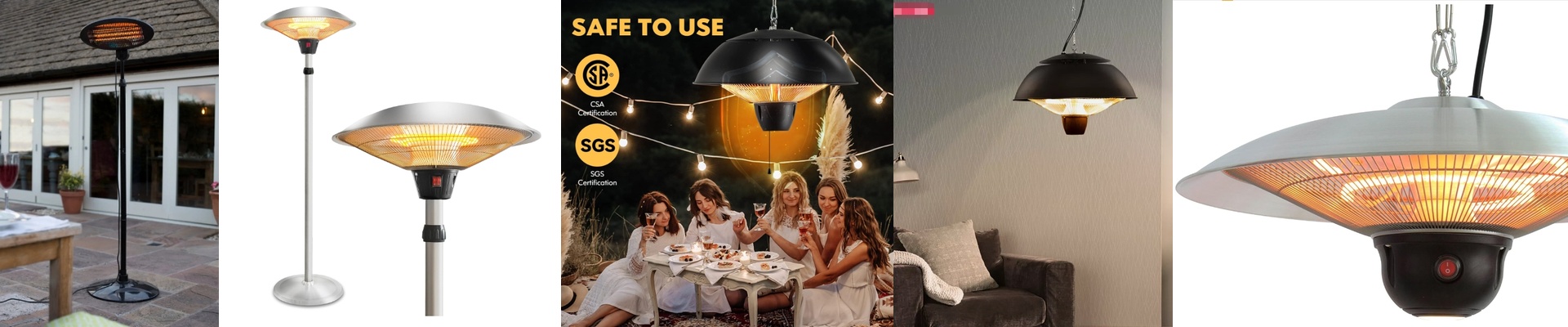
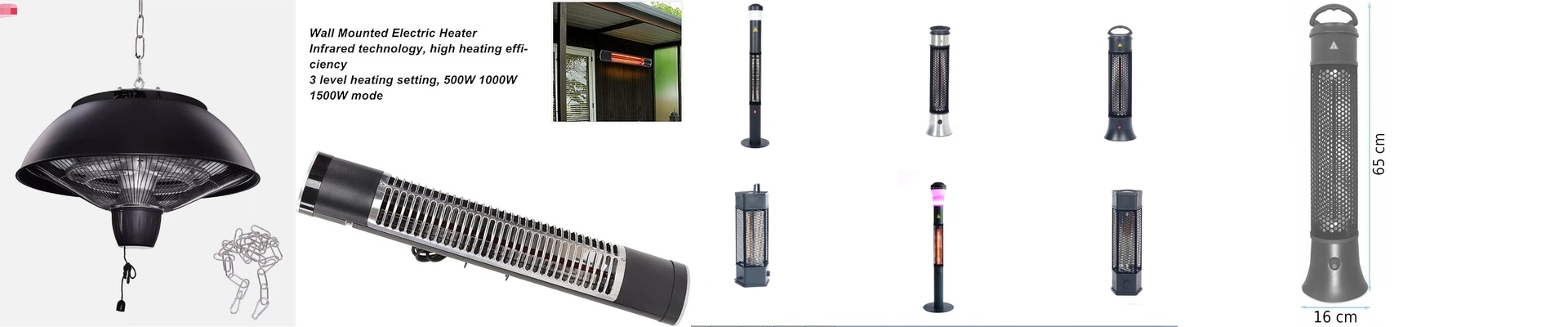
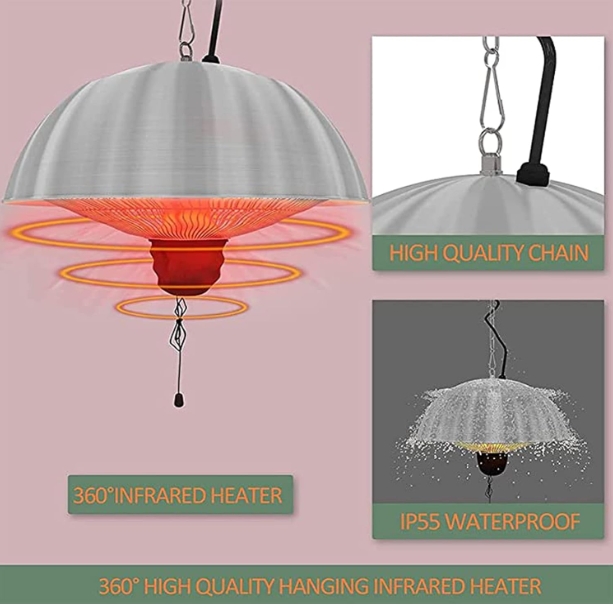
We built our shortwave infrared heaters for places like hot yoga studios—where the heat has to be spot-on. No fudging it. The warmth is precise, radiant, and it goes right where you need it. It sinks into surfaces and fills the air, so your practice can go deep the moment you step on the mat.
Power and heat—straight to the point
These heaters run on high voltage because a studio needs serious heat density. They fire up fast and hold steady, even when they run for long stretches. The tubes are compact, so the thermal footprint stays focused. That means you can mount them overhead and keep your floor space open. The wattage is tuned to hold target temps even when the room swaps air a lot. Here’s the reality check: this level of power needs good ventilation and a dedicated circuit. If your electrical panel is already maxed out, plan on an upgrade before the install.
Inside the build: halogen, quartz, and the R7s connector
At the heart is a halogen element sealed inside tough quartz. It handles high heat and keeps the infrared output consistent. The shortwave spectrum is chosen because it’s absorbed by skin and muscle—so you feel warmth quickly without turning the room air into a desert. And the R7s connector? It’s an industrial workhorse for a reason. Easy to wire, stays secure even with vibration, and service is quick. If you’re swapping out standard R7s heaters, this is a straight drop-in. No long downtime. Just get it done and get back to teaching.
What this means in a hot yoga room
In hot yoga, the heater has to keep the thermal field stable—supporting deep stretches and that detox rhythm. Our directional radiation warms people directly, so you rely less on convection heat that dries the air and creates uneven hot spots. The whole mat area feels more even, and rooms come back to temp faster between classes. These units take the humidity in stride, but don’t forget: moisture control still matters. It keeps the housing protected and keeps the reliability strong over years of use.