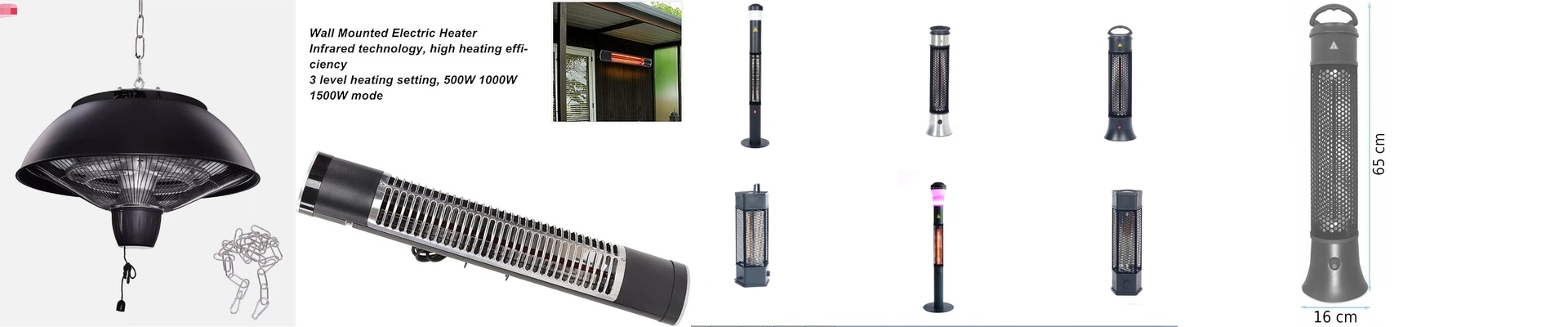
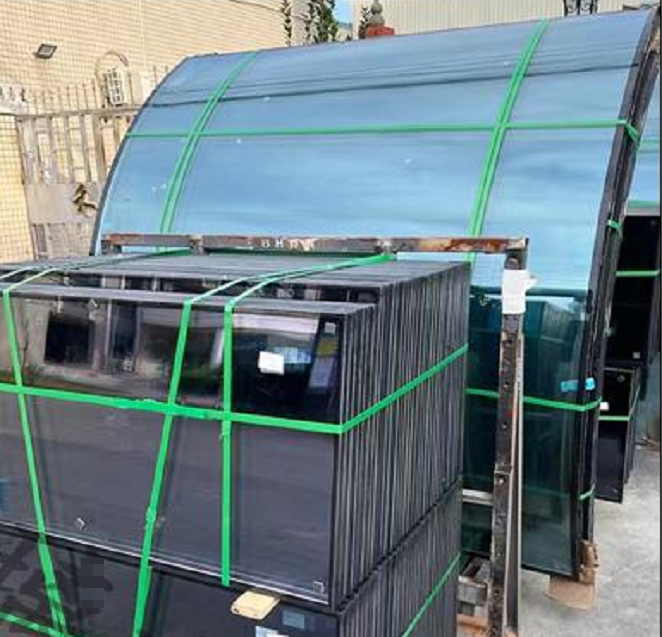
On the line, heat is more than just temperature. It’s timing, it’s distribution, and it’s repeatability—cycle after cycle. When the bending furnace has to hold a tight thermal profile to keep optical distortion out, or the tempering line needs fast, even preheat to keep stresses under control, the heating element has to deliver stable output. That’s exactly where ruby glass infrared heating bulbs earn their keep in glass processing.
What matters, technically
Ruby glass infrared bulbs put out short-wave infrared (NIR) energy that glass—and a lot of coatings—grab onto hard. Heat goes straight into the surface instead of warming the air around it. The payoff is quicker ramp rates and a more responsive thermal response. Industrial units typically run 230–460 V, with power densities matched to the job, and a compact envelope that drops into existing lamp housings and focus reflectors. The ruby doping helps shape the spectral output and keeps performance stable at high operating temperatures, so emissivity stays consistent over long shifts.
Why it fits the work we do
In hot bending, that fast response helps you hit—and hold—the target temperature profile. You get less slump variability, and you reduce the risk of marks on coated or uncoated glass. For tempering, uniform preheat across the sheet means fewer thermal stress cracks before quench. In lamination—whether you’re running EVA or SGP/PVB—NIR gives you rapid, volumetric heating. That speeds up the initial tack and the curing phase, so cycle time comes down without scorching edges. For coating drying, the same principle gets solvents out fast while keeping the substrate temperature under control—throughput goes up, and finish quality stays clean.
What you need to keep straight
Installation is straightforward in most standard fixtures, but alignment is not optional. Reflector condition and lamp positioning directly drive temperature uniformity across the glass. Plan for thermal management: keep the bulb within its rated voltage and temperature window, and confirm the target material’s absorption actually matches the NIR output. You’ll get shorter warm-up times and stable output, but treat these bulbs like high-intensity sources. Use proper shielding, and follow the machine’s safety interlocks.