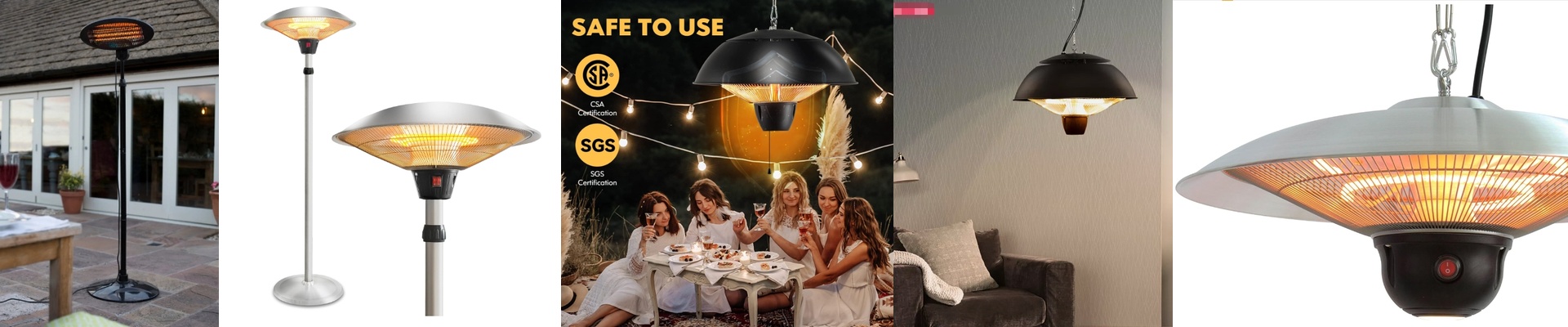
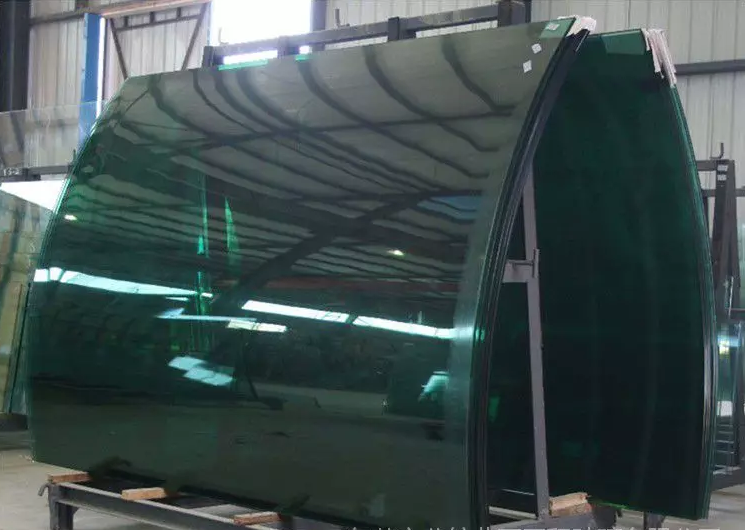
On the glass line, heat isn’t just a number on a chart—it’s control. A 10°C swing across the pane during tempering or lamination? That’s thermal stress, and stress turns into scrap. We built our industrial quartz infrared heaters to turn that risk into repeatable, predictable output. What matters under the hood Quartz infrared emitters throw short-wave energy that punches into the glass quickly, heating the body instead of just the surface. That cuts down on convection dependence and shortens cycle time. The heater body is engineered to hold stable emissivity through repeated thermal shocks, and the element geometry lays down a uniform thermal field so you don’t get hot spots at the edges. Output density is matched to the job: enough punch for rapid tempering and bending, but controlled enough for EVA/SGP/PVB lamination and coating drying without scorching. You get consistent performance at rated voltage, and the fast response keeps line speed steady when glass thickness changes. Here’s why it sticks in real production. In tempering, even heating means less optical distortion and fewer breaks from uneven quenching. In lamination, that rapid, even heat profile speeds up polymer flow and degassing, so dwell time drops and bond quality tightens. In insulating glass sealing, the focused infrared energy helps hold edge temperature steady, which keeps the secondary seal repeatable. The payoff shows up as fewer rejects, higher throughput, and lower energy use per finished part. A few shop-floor notes. These heaters drop into standard mounts and electrical interfaces, but they need clean, dry airflow and proper clearance to protect element life. Run them in dirty environments without filtration, and the quartz gets coated—output drifts. Plan the air path and maintenance access up front, and you’ll get the repeatability the process demands.