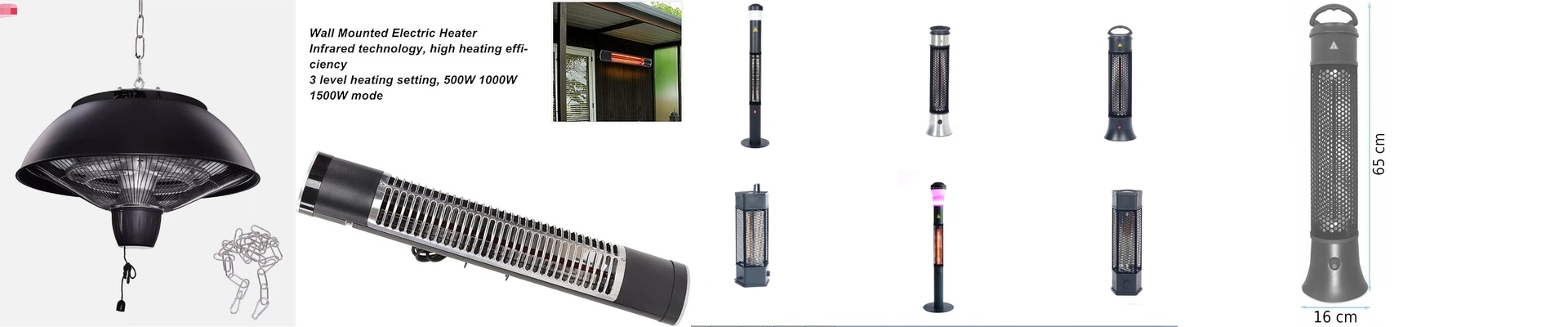
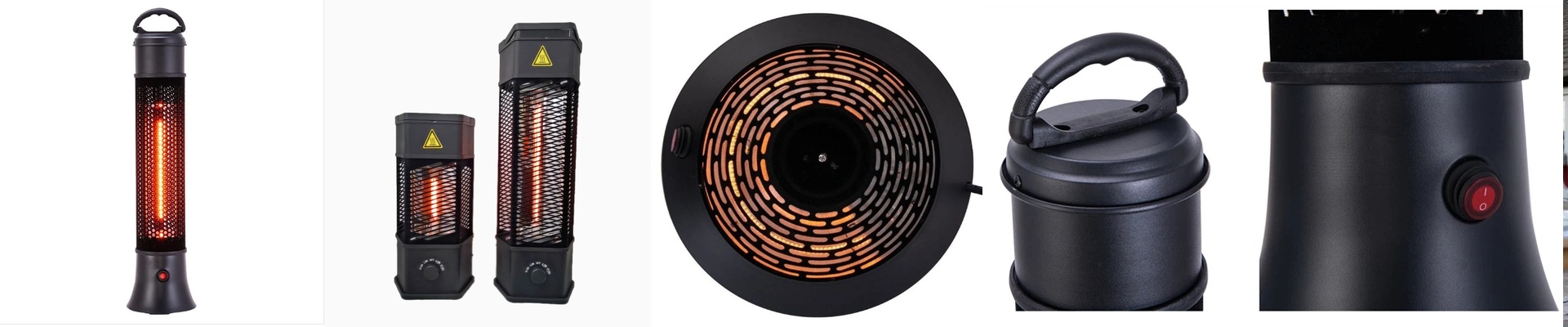
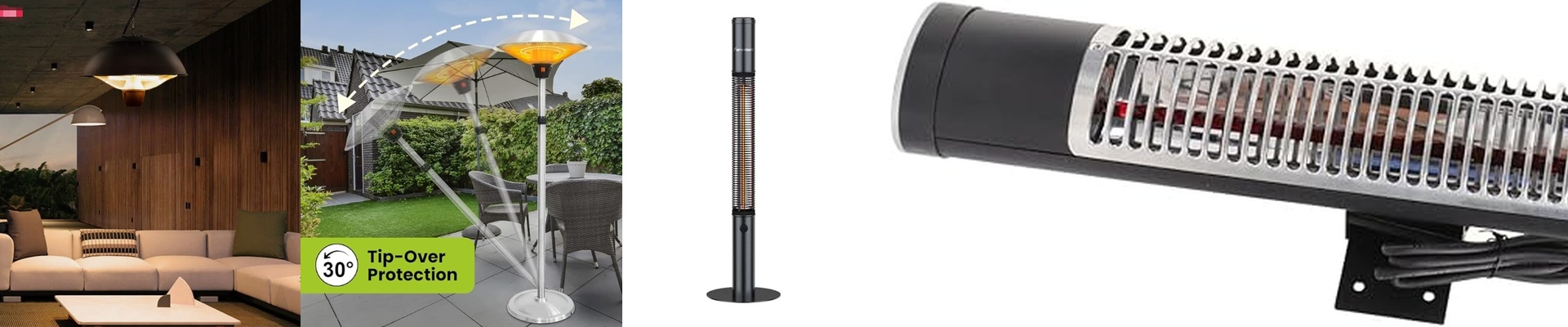
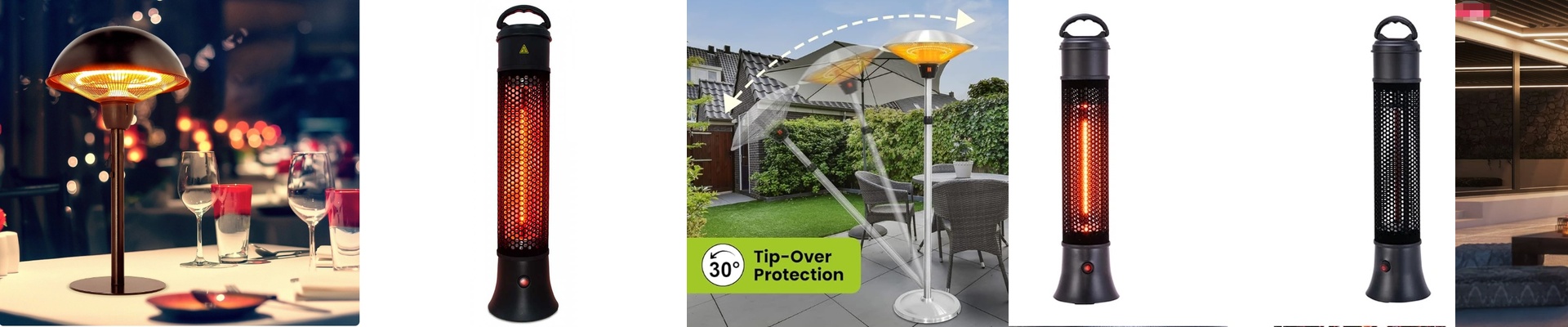
Why we build our 1500W heaters to be taken apart
Most 1500W infrared heaters you’ll find for gazebos are basically sealed boxes. They work great—until they don’t. Once a heating element burns out after a few winters, the whole thing is basically a fancy piece of scrap metal. You can’t fix it, so you toss it. We think that’s a waste. So we did things differently.
Dealing with the heat
Here’s the thing about 1500W: it’s pretty much the Ceiling for a standard home circuit. To actually make a gazebo feel warm when the wind is blowing through, you can’t waste time trying to heat the air. You need short-wave infrared tubes that beam heat straight down onto you. But that much power creates a lot of intense heat right at the surface. If your chassis is cheap, the mounting brackets will warp. We made sure ours can take the heat without bending.
No soldering, no stress
We decided to ditch the permanent solder. Instead of welding the heating elements to the main board, we used plug-and-play connectors. Why? Because if a tube dies five years from now, you shouldn’t have to buy a whole new fixture or break out a soldering iron. You just pop the housing open, unplug the dead tube, and click in a new one. It turns a weekend project into a five-minute fix.
The trade-off
Now, being honest, modular connectors mean more contact points. If you use cheap parts, you get voltage drops or terminals that overheat. That’s why we spent the extra money on heavy-duty terminals that can actually handle a 1500W load without breaking a sweat. Sure, the heater is a tiny bit larger because of this setup. But it’s a fair trade. It means your heater stays out of a landfill just because one quartz tube gave up the ghost. It’s just a more sensible way to build things.