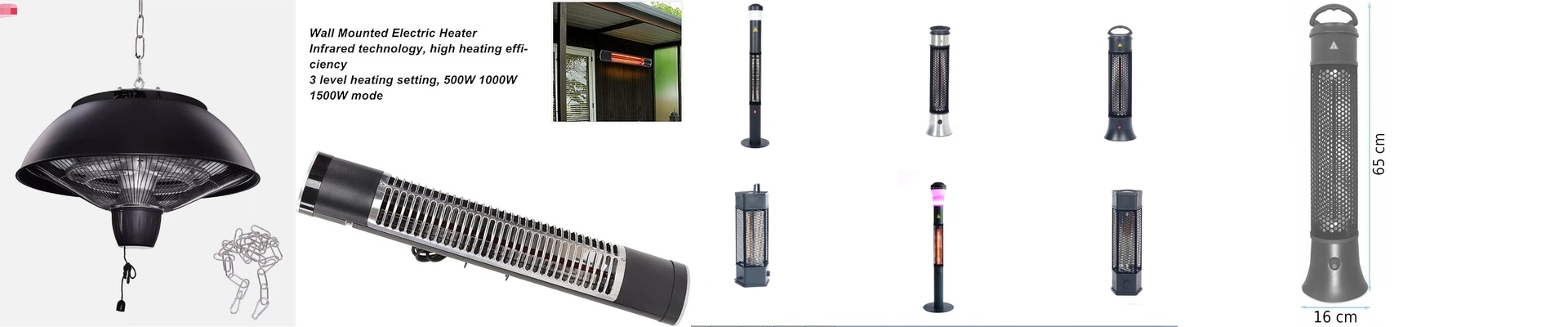

Stop Losing Money to the Cold
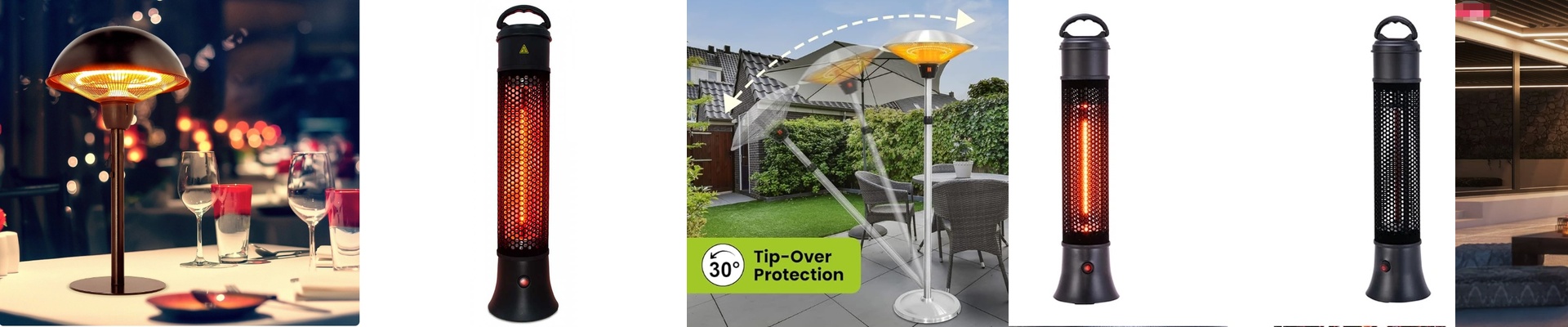
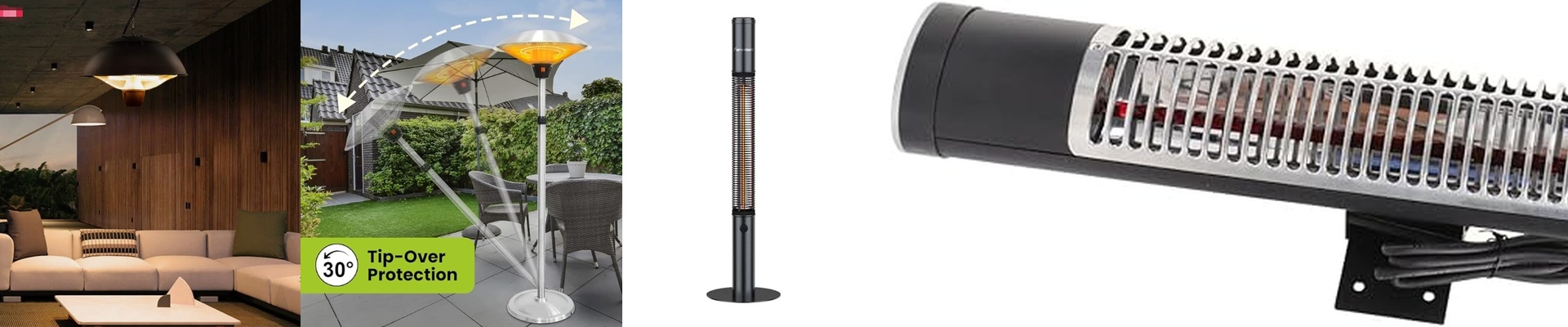
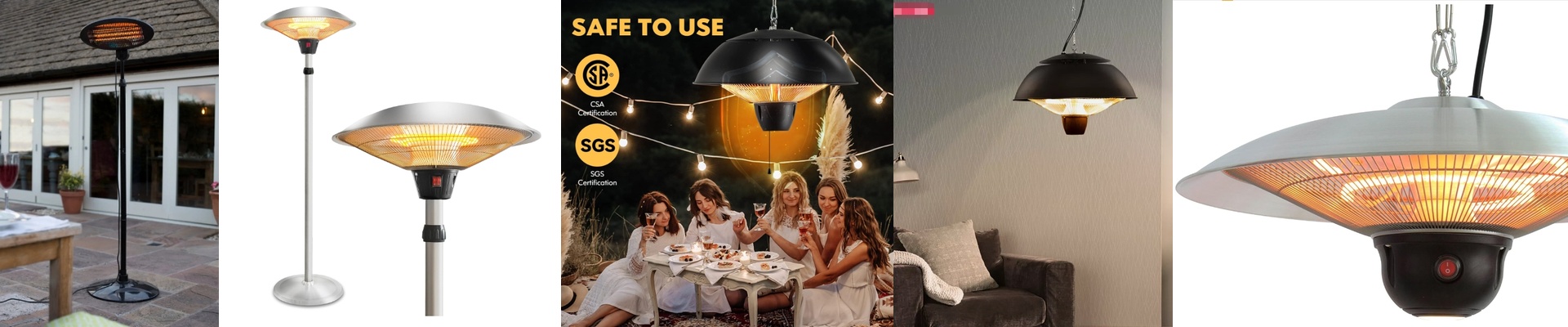
Let’s be honest: the second the temperature dips, your outdoor seating becomes a ghost town. Most people try to fix this with standard convection heaters. The problem? They try to heat the air. But outdoors, the air just… blows away. You’re basically paying to heat the neighborhood. That’s why we use mirror infrared heaters. Instead of fighting the wind, these units send out shortwave radiation that hits people and objects directly. It feels like standing in a patch of sunlight on a crisp autumn day. The wind can howl all it wants; your guests stay warm.
How the “Mirror” Part Actually Works
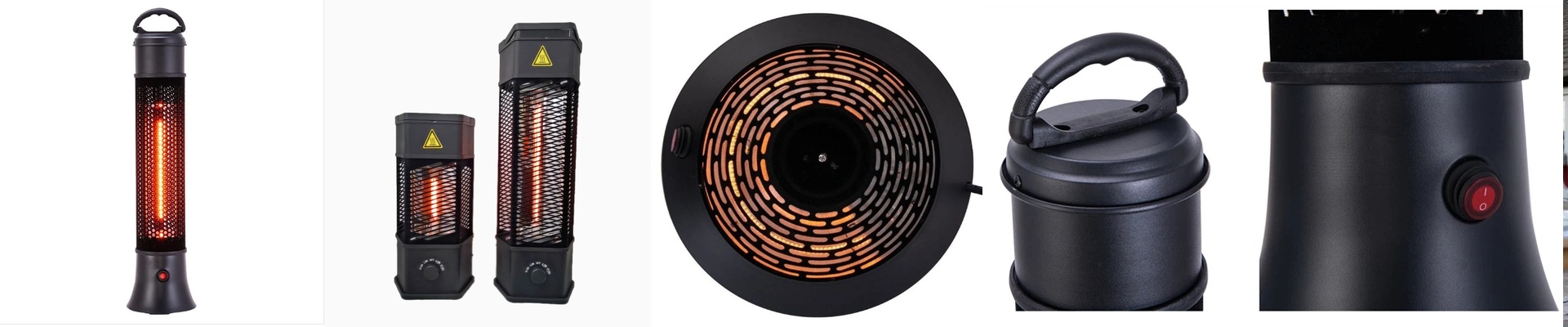
Inside these units, we put high-polish aluminum reflectors right behind the quartz heating elements. Think of it like a flashlight. Without the mirror, the heat just wanders off toward the ceiling or the walls. With the mirror, we push that heat straight down in a concentrated beam. Because the heat is focused, you don’t need a heater every two feet. You can space them further apart and still keep that “warm zone” feeling consistent across the whole patio.
More Comfort, More Sales
It’s simple. Cold guests leave. When someone sits down and feels that immediate wave of warmth, they relax. They linger. And when people linger, they order another round of drinks or decide to split a dessert they weren’t planning on. Now, you don’t want people camping out forever—you still need those tables to turn. The trick is in the wattage. For a standard patio, 2000W to 3000W usually does the trick. It gets the heat down to the tabletop without making the guests’ heads feel like they’re in an oven.
A Few Things to Watch Out For
One heads-up: you can’t just plug these into a regular wall outlet. These arrays pull a lot of power. If you try to daisy-chain them, you’re going to trip your breakers right in the middle of a Friday night rush. You’ll want a dedicated circuit to keep things running smooth. Also, don’t go overboard with the power in a small space. If you over-spec the wattage, you’ll create “hot spots.” Nobody likes feeling like they’re being grilled, and if it’s too hot, they’ll move—or worse, leave. Just balance the power with the actual size of your dining area, and you’re golden.