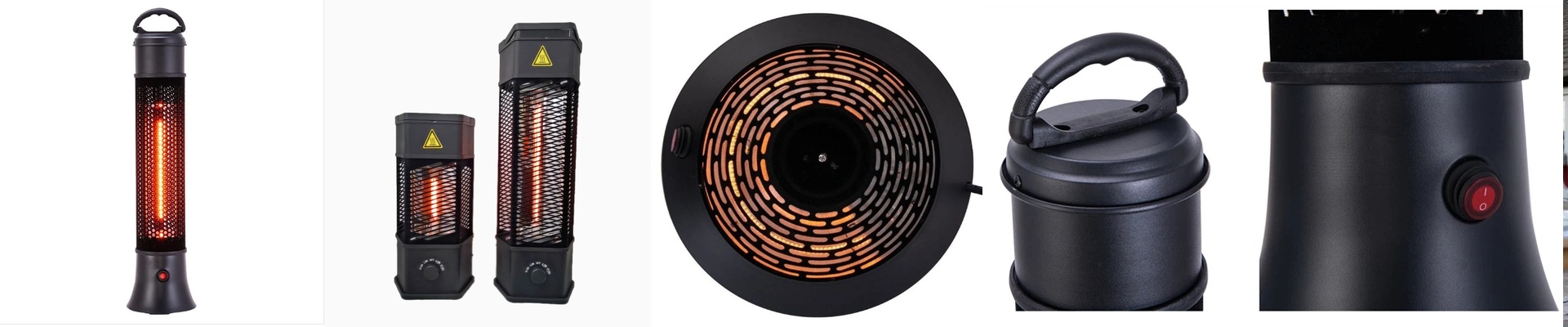
Beyond Just Warmth: How Infrared Heaters Actually Stop Bathroom Mold
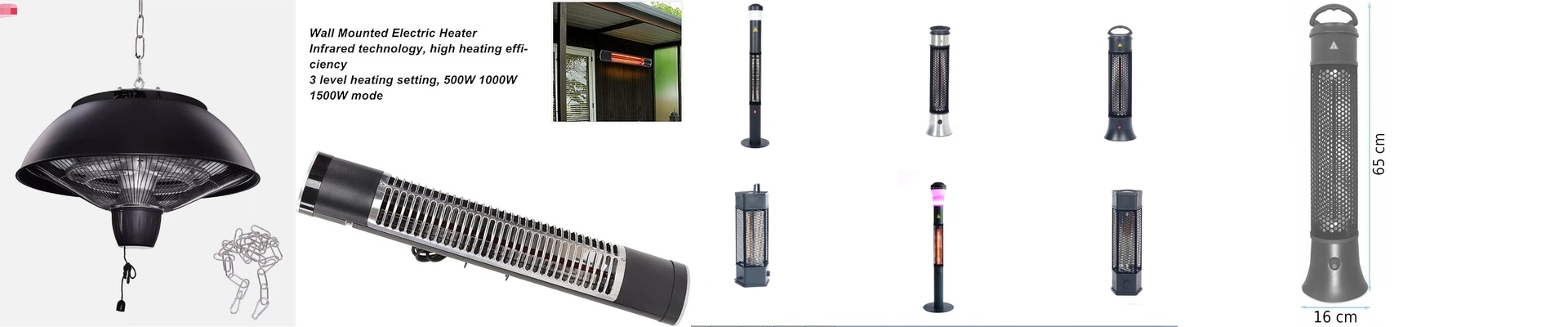
Let’s be real—wall-mounted infrared heaters are usually all about comfort. But we built ours to do something more important. Especially in a bathroom, the real goal is creating a space that feels clean, dry, and healthy. Here’s the thing: we focused on the root of the problem—moisture that just won’t quit. By controlling the infrared spectrum, we’re attacking that dampness directly.
The Power Behind the Heat
We pack these wall units with high-density infrared lamps, running at 2500W and 400V. That power means the heat hits fast. Seriously fast. Surfaces warm up almost instantly. The 400V setup is a smart move, too. It keeps the current low, so wiring is simpler and you don’t get that frustrating voltage drop over longer runs. And the lamp itself? Around 300mm long. That keeps the whole unit slim and unobtrusive. It fits on a tight bathroom wall without making the room feel crowded.
What It’s Made Of—And Why It Matters
The heating element is housed in a quartz tube. Why? Because it can take the extreme heat without cracking. Inside, a halogen fill and a special coating work together to push the energy into the shortwave infrared band. And this is the magic. That shortwave energy doesn’t just warm the air—it penetrates those thin films of water on tiles and grout, helping them evaporate right at the surface. For the connection, we use an R7s connector. It’s a no-nonsense choice that locks the lamp in place and carries the current through the ends. It’s solid, handles vibration, and can take the daily on-and-off cycling without blinking.
The Payoff: A Bathroom That Stays Fresh
When it comes to mold, drying surfaces fast is your best defense. Shortwave infrared heats surfaces directly, so the condensation from your shower evaporates quickly. Less standing water means less food for mold and mildew. The heater also helps your dehumidifier do its job better by lowering the relative humidity through evaporation. Now, a heads-up—a 2500W lamp puts out serious heat. So you’ll want to make sure the room has proper ventilation and that the materials around it can handle the temperature. With good airflow, everything stays in balance, and the space just feels healthier.