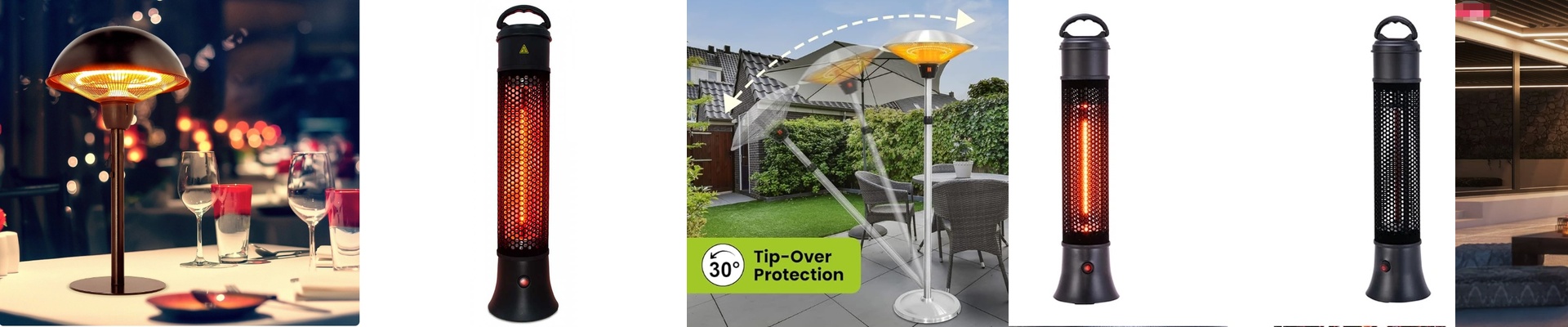
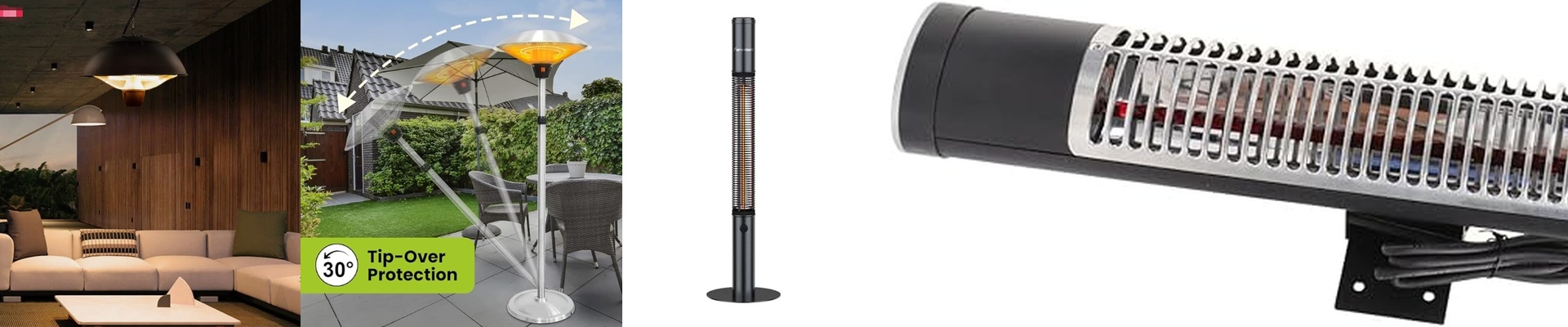
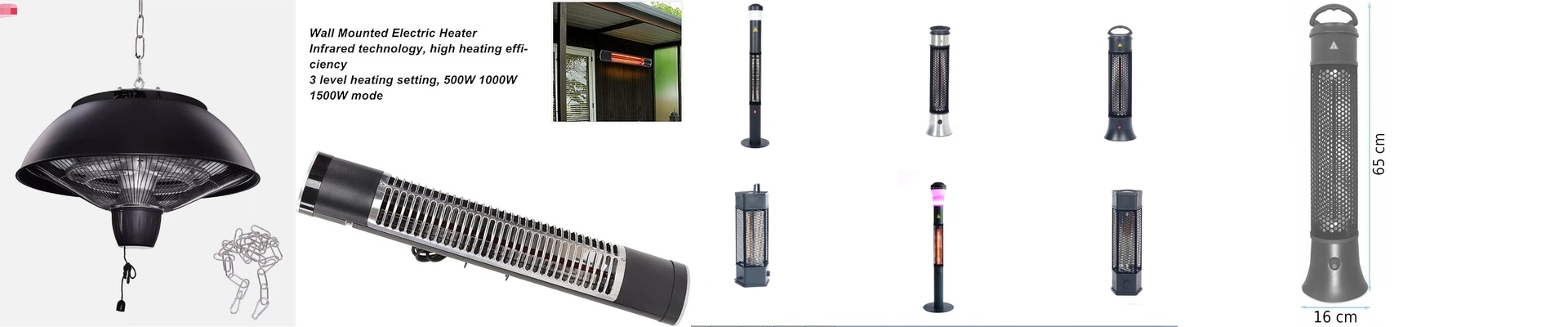
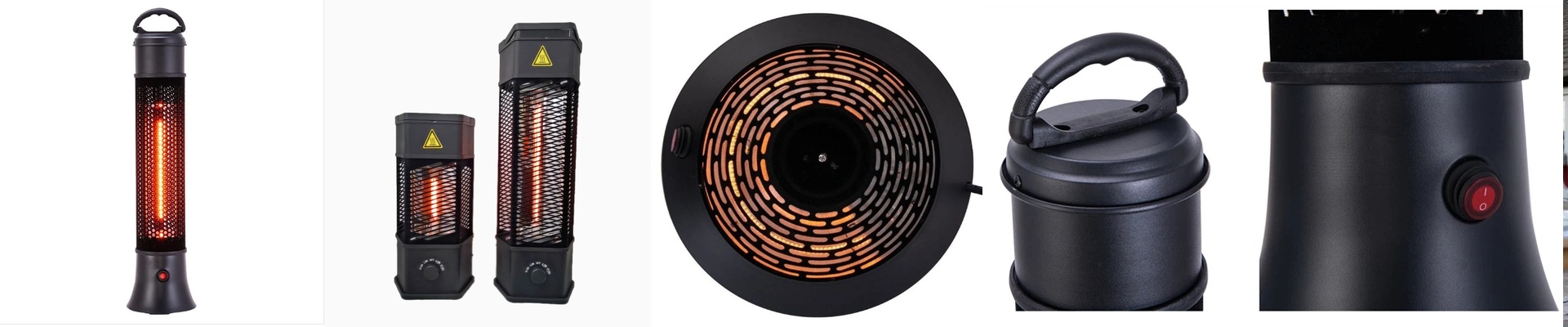
Basements are predictable: they’re cold, and they’re damp. The kind of damp that gets into everything and makes evenings feel like you’re just waiting it out under a blanket. You need heat that fixes the chill without turning the air heavy or running up the bill. That’s where a low-power wall-mounted infrared heater makes sense.
What matters, technically
Infrared warmth doesn’t work like forced-air. It delivers radiant heat that travels outward and warms people and solid surfaces directly, instead of trying to heat the air first. In a basement, that translates to warmth you feel almost immediately, even on the coldest nights. We build our units around a high-efficiency quartz element, typically drawing around 400–800 watts, so you can plug into a standard 120V outlet without rewiring. The profile is slim, and the wall-mount bracket keeps floor space clear. An adjustable thermostat keeps comfort steady instead of letting the space swing between too hot and too cold.
Why it works in a basement
Damp air is the enemy of comfort. Because infrared heats objects and people first, the air stays drier, and that helps cut the clammy feeling that basements are known for. The payoff is a room that feels warmer faster, with less cycling on and off. You’ll hear it too—quieter operation—and the warmth feels more even across the space. It’s a practical way to make a basement usable again, whether you want a home office, a play area, or just a quiet corner to relax.
The details that matter
Installation is straightforward, but placement is the part that trips people up. Mount the heater on a dry wall with proper clearance from obstructions, and keep it out of direct water spray. For best results, pair it with a simple dehumidifier to attack humidity at the source. Infrared is immediate, but it works by line-of-sight, so positioning is key for even coverage. If you need to spread warmth across a larger basement, plan for a second unit, or step up to a model with a broader radiant pattern.