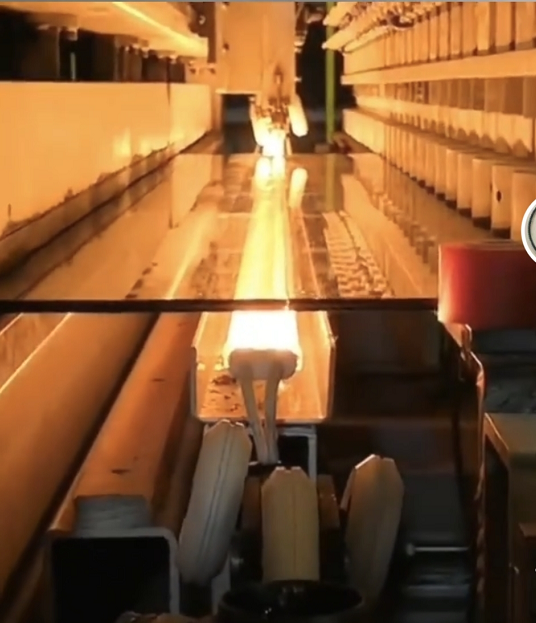
On the laminated glass line, that cutting heater sits right where the pain shows up. If the temperature profile starts to wander, you’re staring down edge chips, the risk of delamination, and a lot of scrapped interlayers. We designed our laminated glass cutting heater to cut that waste off at the knees. What actually matters under the hood We run short-wave infrared quartz emitters because they snap to the setpoint and hold tight control over interlayers—PVB and EVA alike. Power is matched to the cutting window—typically 6–12 kW per zone, 400 V three-phase—so you get a fast ramp without overshoot. The thermal field stays focused: the edge gets the heat it needs for clean shearing, while the center stays cooler to keep thermal stress down and prevent micro-cracks. The face is compact, built to fit standard cutting tables and retrofit kits, with terminals and shielding that can take the voltage swings you see on the shop floor. Why this works in real production You end up rejecting fewer sheets because the heat lands where you need it and for only as long as you need it. Cycle time drops, too—setpoint comes up quickly, and the control holds steady shift after shift. Energy use falls because the emitters turn input into radiant heat efficiently, and the duty cycle is shorter. Maintenance gets easier: fewer jams tied to temperature drift, less downtime chasing it, and parts you can swap without tearing the whole line apart. A few shop-floor notes Give yourself clear clearance above the glass and a clean power feed. If airflow is uneven or voltage is fluctuating, you’ll see it as small banding. The heater plays nice with most cutting tables, but confirm the mounting footprint and control interface before you order. For the best results, match emitter output to your usual glass thickness and interlayer type—thicker stacks need more dwell, thinner stacks need tighter control.