On the tempering line, a hairline edge crack or a warped bend usually has a quiet culprit: hidden thermal stress. Convection ovens drag things out and leave you with uneven heat. That bogs the furnace down, burns more gas, and turns good sheets into scrap.
What matters under the hood
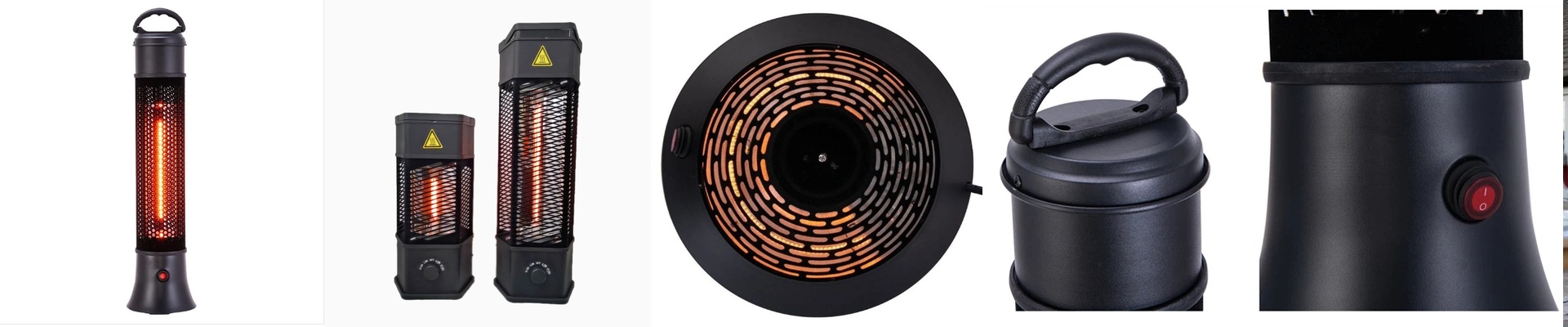
We built stress relief infrared modules around a near-infrared (NIR) quartz emitter array. The wavelength is tuned to heat glass volumetrically and fast, so the energy goes into the surface without dumping heat into the belt or the plant air. The response is near-instant—full power in seconds, and a quick ramp-down when the cycle ends. You get a tight, repeatable thermal profile across the whole width, not a hot spot in the middle with cool edges.
Why this fits the process
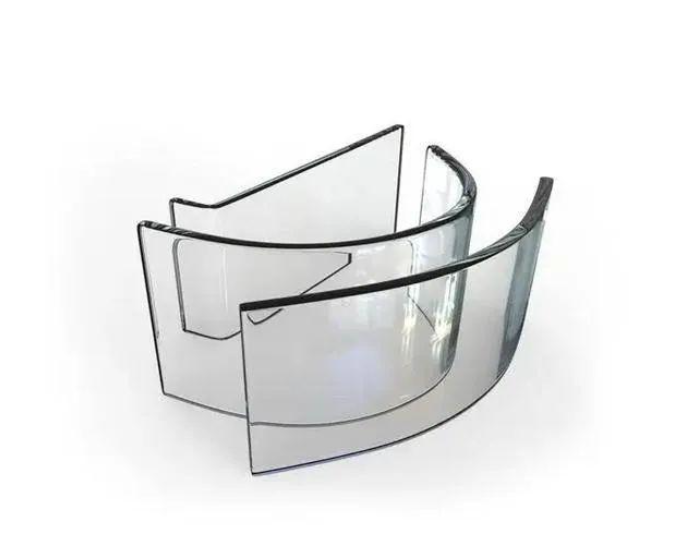
In tempering and bending, the whole point is uniform temperature before quench. That’s exactly what the module delivers. A stable, even thermal field cuts down edge and corner stress concentrations, so you see fewer spontaneous fractures later. The fast cycle keeps high-throughput lines moving, and because the heat is aimed at the glass, you use less energy than you do with full-chamber convection. In lamination and coating drying, that same control helps you avoid bubbles, haze, and weak adhesion—moisture and stress are removed without overheating the PVB or resin layer.
The practical details
These modules are built as drop-in replacements for common OEM heating zones, but the frame and mounting have to match your machine.Line-of-sight is non-negotiable: the glass must see the emitter without fixtures blocking it. Plan for clean power and proper cooling—stable voltage and enough airflow keep output consistent and extend lamp life. Specify your glass thickness range and cycle time up front so we can set power density and control logic to hit your yield targets.