Getting the Heat Right in Long Glass Annealing Tunnels
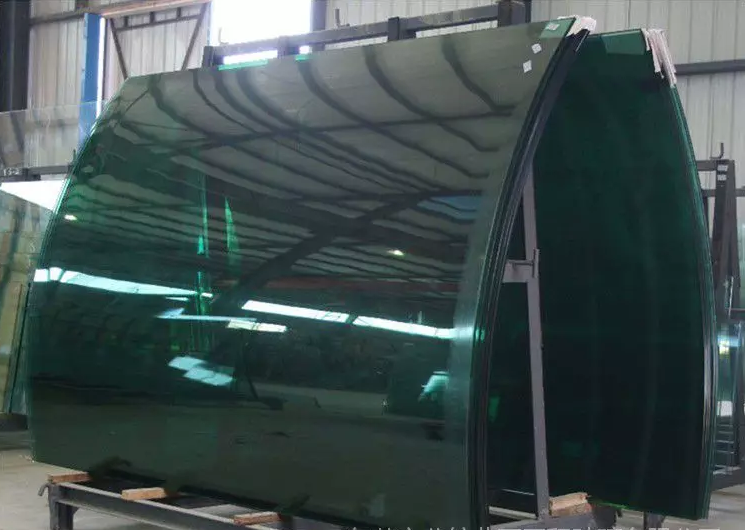
If you’re running a glass annealing tunnel, you know the struggle. Once your heating zones push past 2 meters, standard off-the-shelf lamps just don’t cut it. They aren’t built for that kind of footprint, and trying to force them to work usually leaves you with “cold spots” that ruin your glass. We handle this by building custom, continuous infrared heating units. No gaps. No guesswork. Just a steady, reliable heat across the whole length of the tunnel. The battle against voltage drop Here’s the thing: when you stretch a heating element beyond 2 meters, physics starts working against you. You get voltage drop. If you aren’t careful, the middle of your lamp runs cooler than the ends, and that’s where the trouble starts. To fix this, we obsess over the wattage and voltage specs. We use high-purity quartz glass and a very specific filament winding technique to make sure the heat density stays flat. Why? Because if the temperature dips in one spot, the glass stresses. And stressed glass cracks. Nobody wants that. Making it actually work in your shop We design these units to lay out continuously. Depending on what your power grid can handle, you can wire them in series or parallel. One detail people often overlook is thermal expansion. These tubes grow when they get hot. To stop them from popping or failing, we use heavy-duty connectors that can handle that movement. We stick with quartz because it takes the heat without warping or losing its shape. A few things to watch out for I’ll be honest—long tubes are fragile. When you’re dealing with a quartz element over 2 meters, it can snap if your mounting brackets are slightly off or if your tunnel has a bit too much vibration. Your support frames need to be rock solid. And a heads-up on the heat: a continuous array puts out a massive amount of energy. If your ventilation isn’t beefy enough to pull that ambient heat away, you’re going to fry your control electronics. By swapping out those clunky segmented heaters for these continuous units, you get rid of a dozen messy electrical connections and those annoying heat leaks. It’s the simplest way to get a perfectly flat thermal profile across your glass sheets.