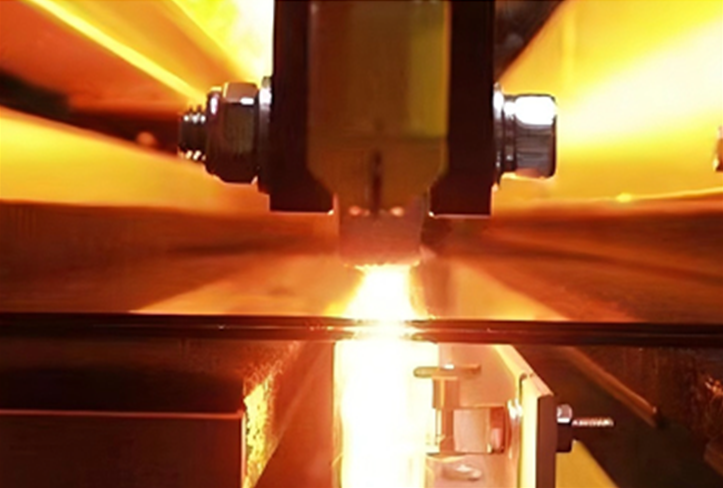
Out on the line, heat is less about numbers and more about control. The moment glass hits tempering, bending, lamination preheat, or coating drying, uneven heating shows up fast—stress fractures, optical distortion, weak edges, and rework that drags the whole cell down. The Ruby glass infrared lamp was built to narrow that window and keep the process honest. What makes it work These lamps put out short-wave infrared through a ruby-tinted quartz envelope, tuned for quick, direct radiant transfer into the glass. You get a fast ramp and crisp thermal response, so you hit setpoints without soaking the surrounding fixtures. We shape the filament geometry and lay out the reflectors to deliver a repeatable thermal profile across the target width—exactly what you need for consistent bending shape and uniform pre-press temperature before EVA/SGP/PVB lamination. Industrial connections and standard mounting make the module easy to retrofit, and the quartz body takes repeated thermal cycling without complaining. Why it fits the floor You see the payoff where it counts. Energy use drops because the lamp heats on demand and idles less than old convection or longer-wave systems that warm the whole zone. Cycle time improves when heating is fast and predictable, which helps throughput in tempering and automotive glass lines without pushing the glass into thermal stress. Tighter uniformity across the surface cuts rejects from warp, waviness, and edge issues, so finished-goods yield climbs. Fewer temperature swings mean fewer thermal shock events, which stretches maintenance intervals and trims spare parts consumption. Here is what to watch Short-wave infrared gives speed, but it also wants clean, stable power and careful aim. Match the lamp to your controller’s response and verify reflector alignment so the hot zone lines up with the glass path. Keep direct air blasts and heavy contamination off the lamp; dust and oil on the quartz can cook hot spots and shorten service life. When the setup is right, the lamp behaves like a steady, predictable heat source—one that pays back quickly through lower kWh, higher yield, and fewer unplanned changeouts.