Why Glass Cutting Needs a Clean Start
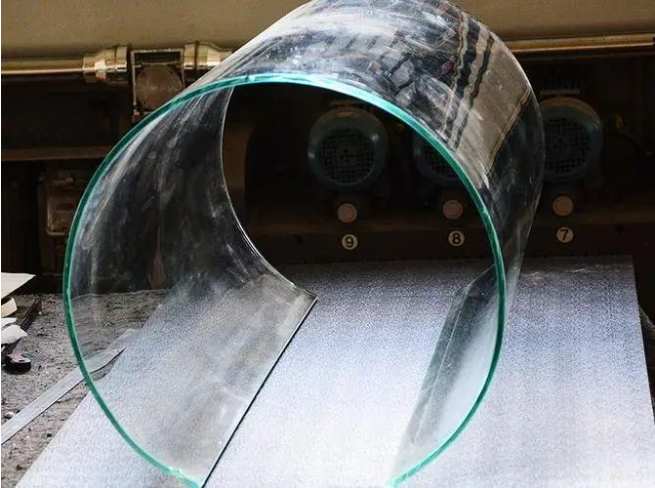
Let’s get real: if you’re cutting glass, skipping the annealing step is a gamble. You need to knock out the internal stress first. Otherwise, that score line won’t travel cleanly. The edge chips. And you’re left wasting material, doing the same job over and over. Our shortwave infrared halogen heaters give you the precise heat, right when you need it—just before the cut. They blast the surface to temperature fast, without turning the whole piece into a hot mess. The payoff? A clean, steady break right along the score line.
Power, Voltage, and Geometry
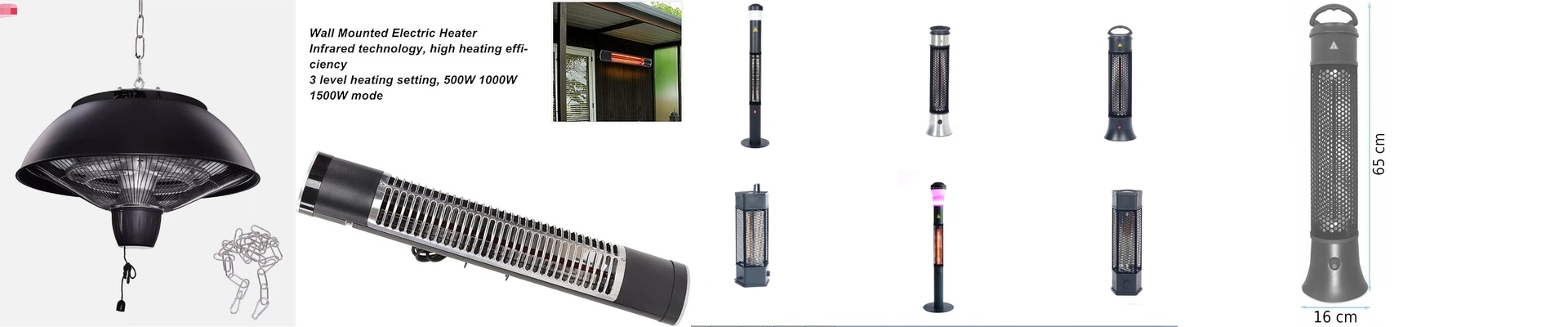
These heaters are built for the industrial grind. A typical unit runs on 400V and pulls 2500W, packing serious heat density into a small footprint. The tube length is designed to match the part—usually around 300mm—so the heat hits exactly where you’re cutting. You get that snap-on thermal response, but there’s a catch. The lamp runs hot, and the surrounding gear has to handle the heat. Plan your cooling carefully. Match the heat sink and airflow to the wattage, and you’ll stay out of trouble.
Material and Connector Choices
Inside, you’ve got a quartz envelope with a halogen fill. The halogen keeps the filament steady at high temperatures, so it resists burnout and stays consistent over time. That shortwave spectrum punches through the surface quickly, creating the sharp thermal gradient you need. We use an R7s connector. It’s a standard, tough, two-pin setup that locks in place and handles the current safely. That means the lamp drops right into most annealing fixtures. Swap burners in minutes. No rewiring. No headache.
The Shop-Floor Payoff
On the line, the goal is simple: repeatable edge quality. Pre-heating with shortwave infrared warms the surface evenly, so the glass breaks clean at the score. Chip rates drop because the fracture moves without micro-shocks. Installation is straightforward. Wire it into the existing R7s socket, line up the 300mm tube with the cut zone, and set the dwell. You get faster cycles, fewer rejects, and a lamp that handles the heat shift day after day. Just remember: high wattage means high heat density. Plan your cooling and guarding. Spec the lamp to fit the part, and the process will run smoother, with fewer edge defects.