When a municipal garage door stays propped open for repairs, winter air pours in and the thermostat on the wall reads 35°F. Workers bunch up, tools sit idle, and the building’s heating system chases a load it can’t catch. In public works facilities, that cycle quietly drives up annual heating budgets, month after month.
What matters under the hood
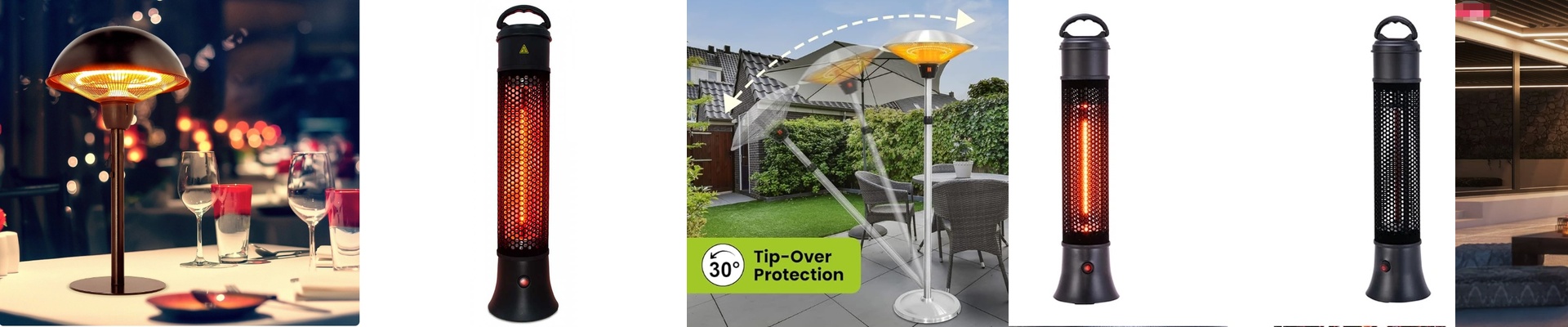
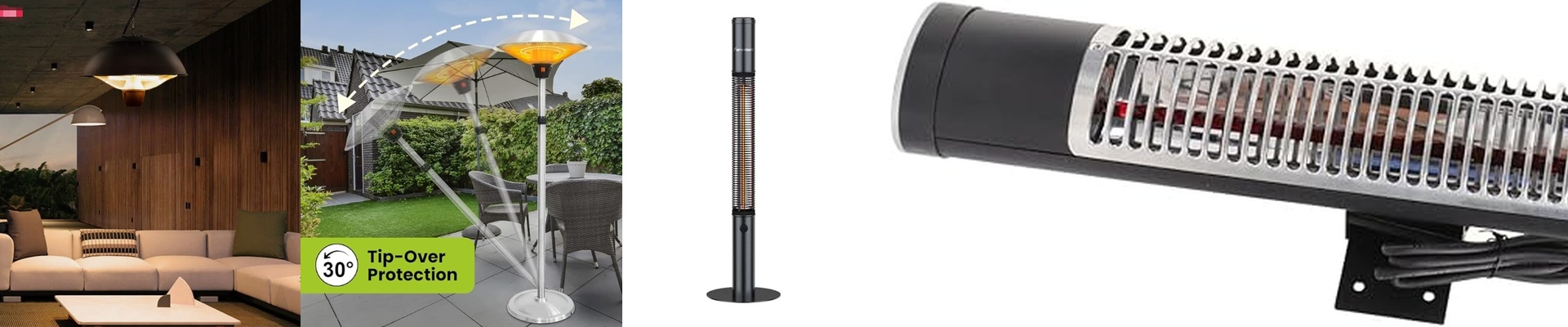
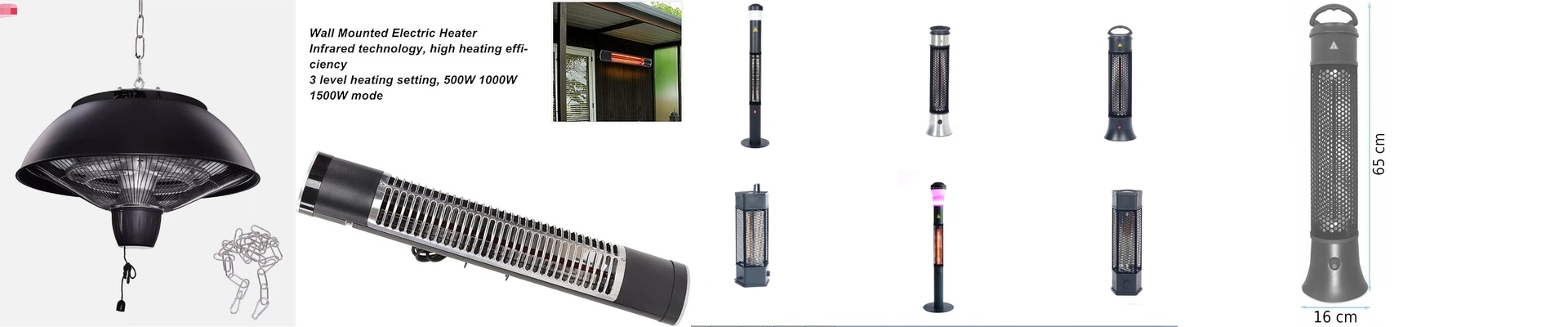
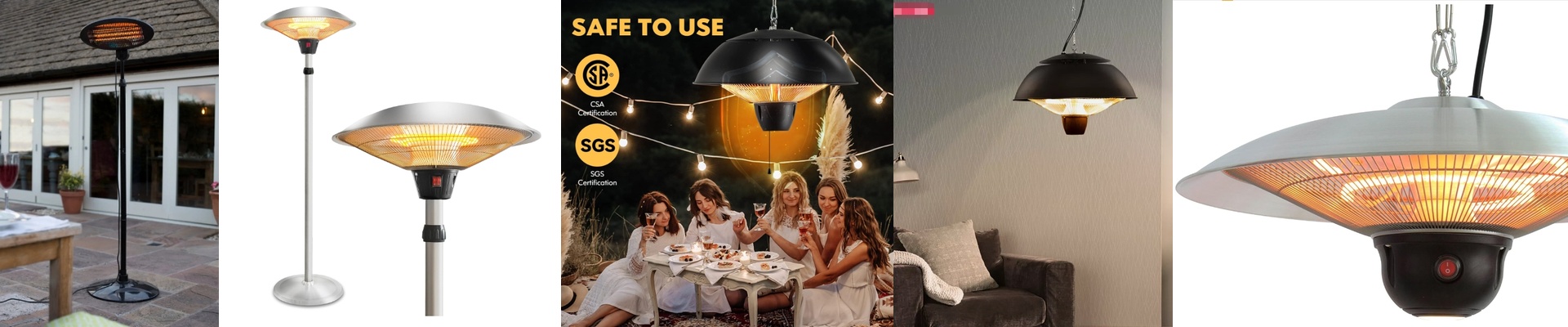
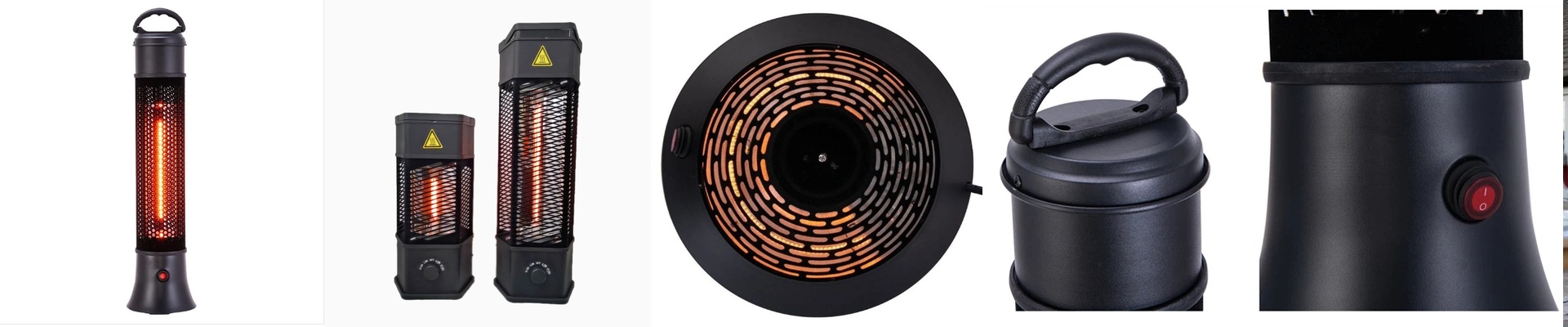
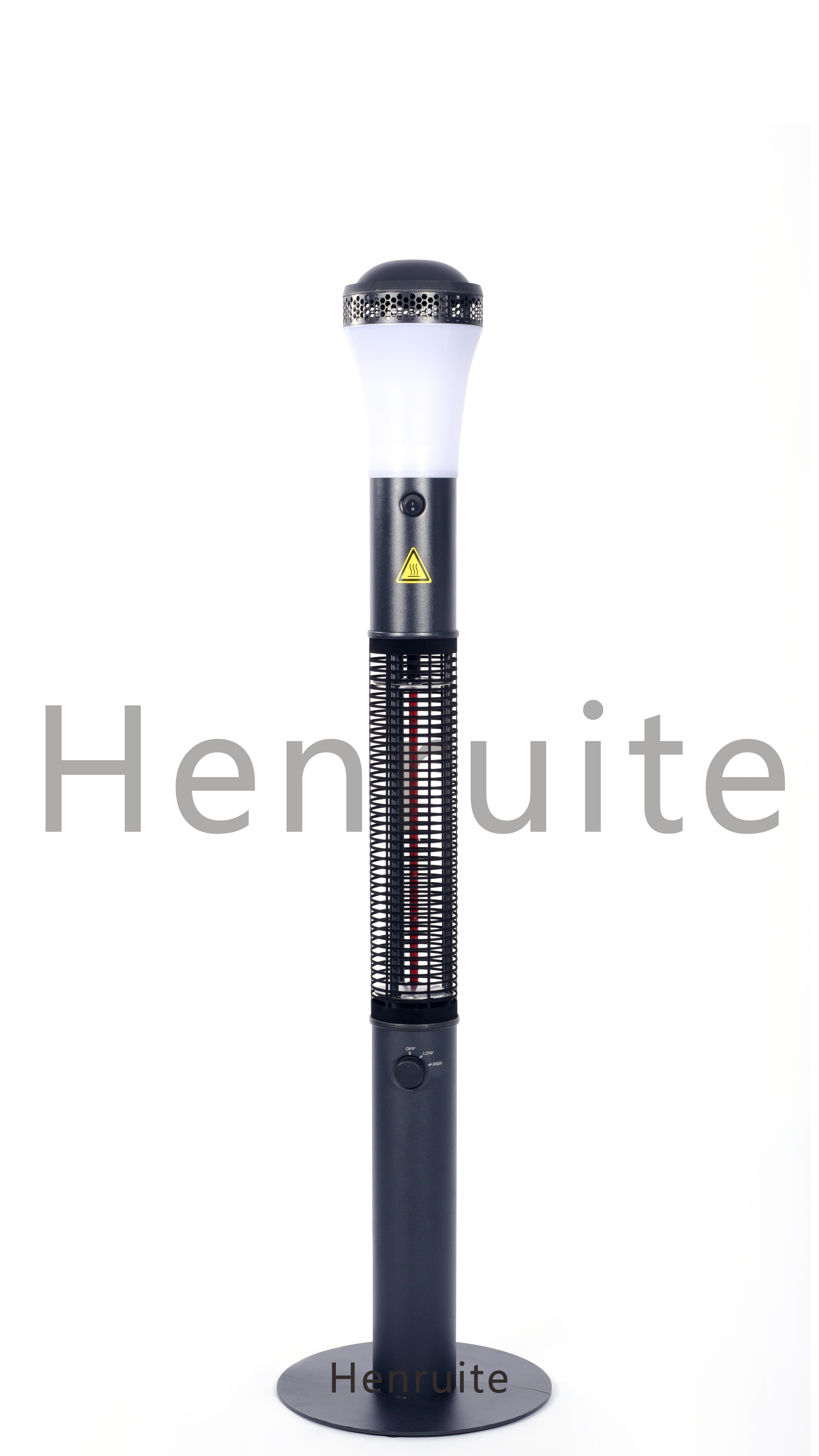
We build garage workshop infrared heaters around medium-wave quartz tubes and carbon fiber elements. Radiant warmth travels through the air without heating it first, so you feel the heat within seconds of switching on. A typical 240V unit pulls 3,000–5,000W and covers a 400–600 sq ft bay—warming the working zone, not just the ceiling. Emitters come up to temperature fast, and the reflector assembly throws that infrared energy down where people and workpieces actually are. Built-in thermostats hold steady, and tip-over protection shuts the heater off if it gets bumped.
Why this fits the way a garage actually runs
Municipal garages and workshops live with doors opening and closing all day. Central systems dump heat every time the door goes up, then burn fuel to reheat the whole volume. Infrared targets the occupied footprint, so you stop paying to warm the rafters. In practice, that means fewer cold-complaint call-backs, fewer idle minutes waiting for the bay to come up, and a workflow that stays steady. Many facilities see double-digit energy reductions in shoulder months, and in winter the heaters keep concrete floors and tools from radiating cold back at the crew. The payoff shows up as a lower annual heating spend and a workday that stays productive, even when the wind has a bite.
The details that keep it honest
Infrared heats objects and people directly, not the air. That’s the strength in open bays, but it also means the surrounding air can still feel cooler if you step outside the beam spread. Plan on multiple heaters to create overlapping coverage, and mount them at 7–9 feet to match the work zone. These units need a dedicated 240V circuit and should be wired by a licensed electrician. They perform best when paired with a simple door routine—close the door during short tasks and the warmth stays where you need it.