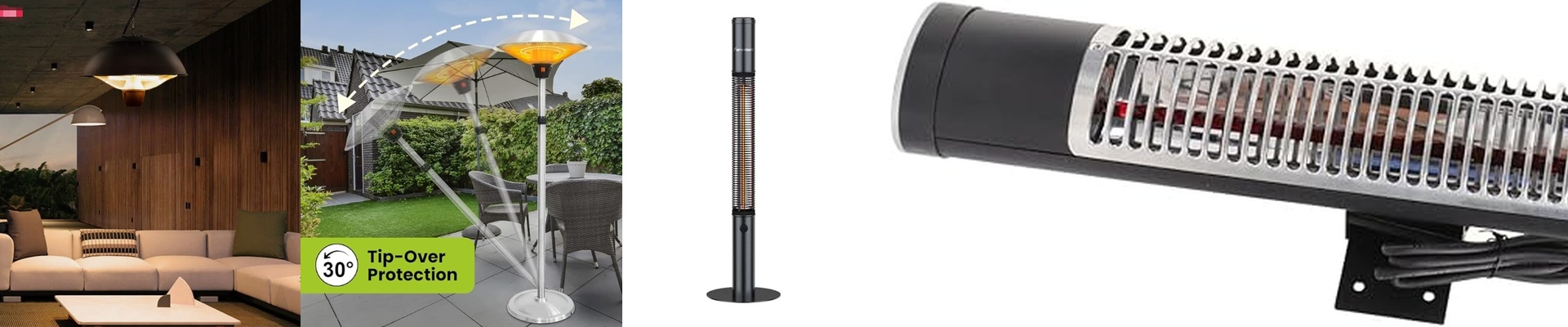
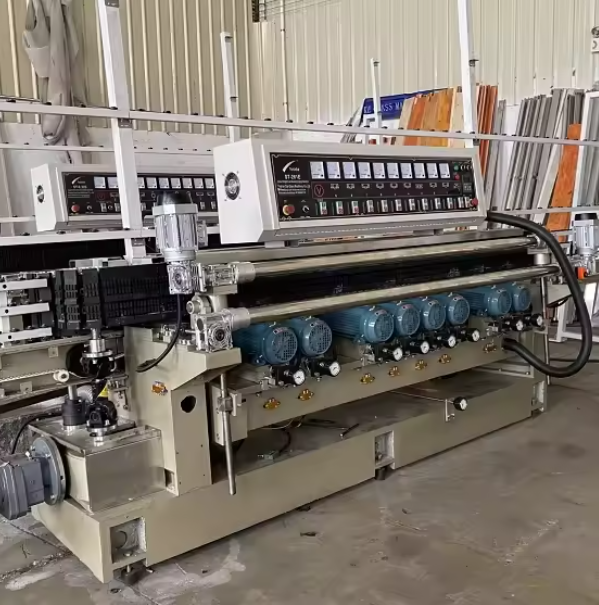
On the glass line, heat isn’t comfort. It’s control. Let the furnace drift 10°C and bow and optical distortion slip past tolerance. Lamination presses that take too long to settle kill takt. When the heater goes, you don’t just lose a part. You lose schedule, yield, and margin.
What matters under the hood
We build quartz infrared heaters for the way glass lines actually run: fast response, stable output, and repeatable profiles. Short-wave elements punch heat that penetrates quickly, shaving cycle time in tempering and bending. The quartz tube holds consistent emissivity, so the thermal field stays even across the load. That evenness cuts thermal stress and lowers the risk of fracture. Every unit is rated for industrial duty, with tight control on watt density and a termination that survives high heat. Spec it to your machine: voltage, length, end fittings, and mounting geometry match OEM footprints.
Why this fits the process
In tempering, uniform heating keeps the quench consistent—optical quality improves and edge strength holds. In bending, rapid response gives you repeatable sag profiles without overheating the mold. In EVA/SGP/PVB lamination, stable plate temps shorten the press ramp and hold. Throughput climbs while bubble and void rates stay low. Energy use drops, too, because the heater delivers heat on demand with minimal idle loss compared to older, convection-heavy setups.
The practical details
Start with compatibility. We supply drop-in replacement kits for common glass machinery brands, with adapter brackets and wiring options for non-destructive installation. Expect clear alignment tolerances and a defined thermal gap—protects the glass and the machine. One thing to keep in mind: quartz infrared performs best when reflectors are clean and reflective, and insulation is in shape. Heavy soot or cracked refractory will make performance drift. Pair the heater with a routine maintenance schedule, and you get stable runs, fewer surprise stops, and operating costs you can plan around.