Getting Your Lines Sharp: The Balancing Act of Glass Silk-Screen Tempering
Here is the tricky part about combining silk-screen printing with tempering: you’re basically playing a game of thermal tug-of-war. You need enough heat to fuse the ink and get rid of those internal stresses in the glass. But if you push it too far? You’ll blur your edges or, worse, trigger a thermal shock that ruins the whole piece. To hit that “sweet spot,” we rely on shortwave infrared (IR) lamps.
Why Speed Matters (The Physics Part)
If you want your patterns to stay crisp, you can’t linger. You need the heat to punch through the surface fast. Shortwave IR is great because it hits the ink and the glass at the same time. If the heat soaks in too slowly, the ink starts to bleed or migrate before it actually sets. That’s how you end up with that annoying “halo effect” around your lines. We use high power density lamps to get the glass to the tempering point quickly.Fast heat equals sharp lines. Period.
The Gear We Use
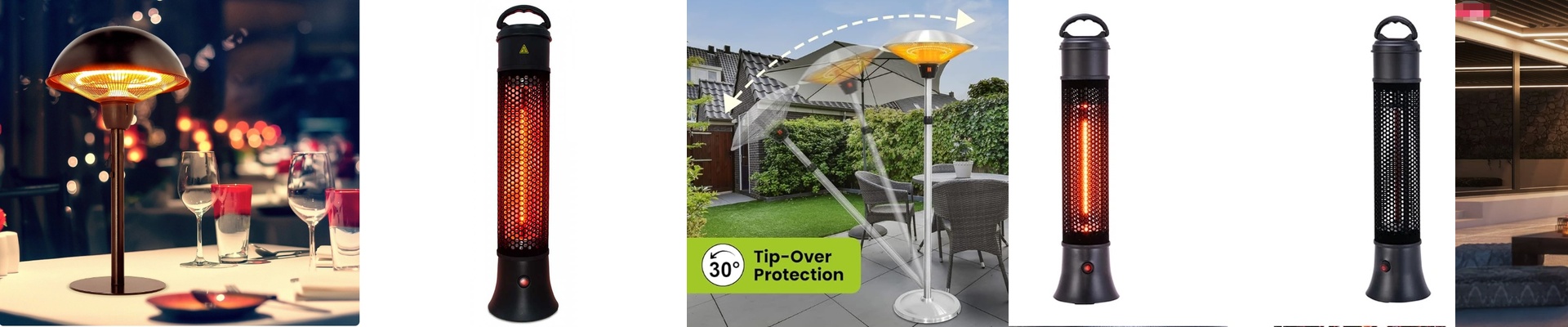
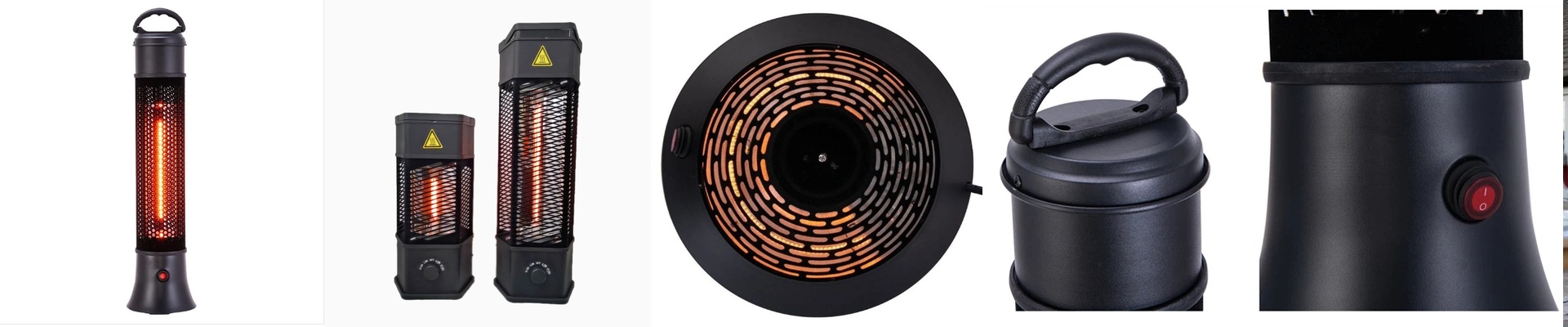
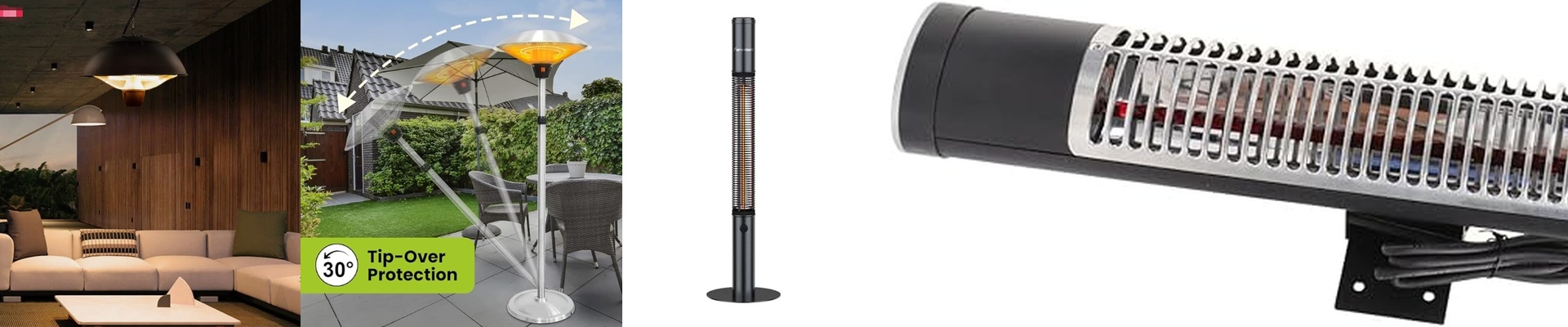
We usually go with quartz halogen tubes. The key here is the wattage-to-length ratio—it keeps the heat footprint even across the glass. By using a high-voltage setup, we can cram more power into shorter tubes. This cranks up the IR flux. For the guys on the floor, we use R7s or Sk15 connectors. It makes swapping them out during a shift a lot less of a headache. And the quartz envelope isn’t just for show. It lets the radiation pass through without the lamp absorbing its own heat. We also use coated tubes to bounce that heat forward onto the glass. It saves energy and keeps the machine frame from getting dangerously hot.
The Trade-offs You Should Know About
Now, here is the catch. High-wattage lamps are great for fast cycle times, but they’re hungry. They put a massive load on your electrical panels. You can’t just plug these into an old system and hope for the best—check your amperage first. Plus, there’s a ripple effect. The more heat you pump in to fuse that ink, the harder your cooling quench has to work to lock in the strength. If your quench can’t handle the extra heat load, your glass won’t be as resistant to breakage. It’s all a balance. Get the heat and the cooling in sync, and you’re golden.