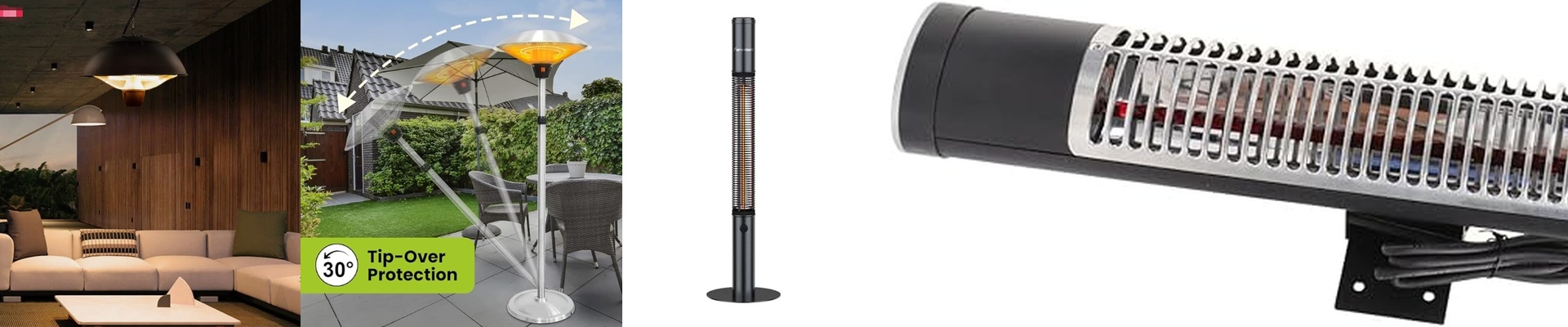
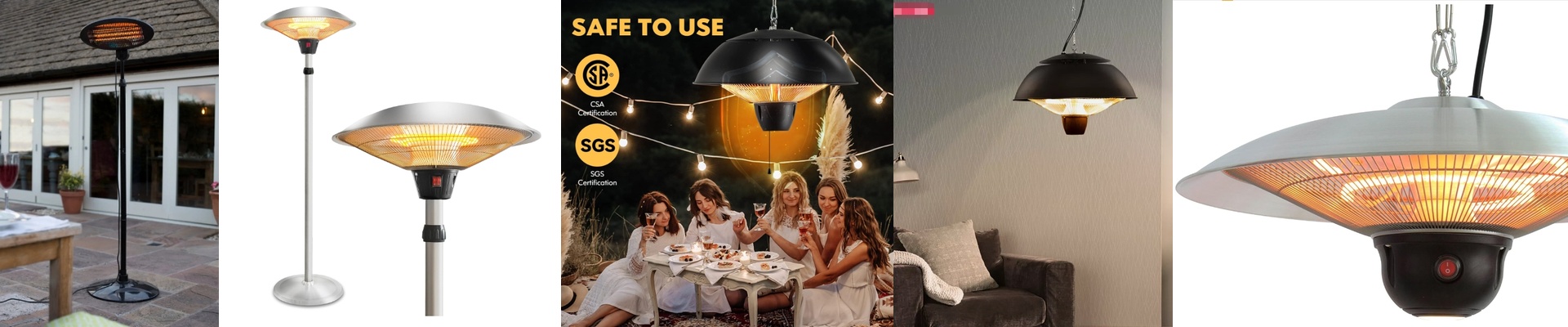
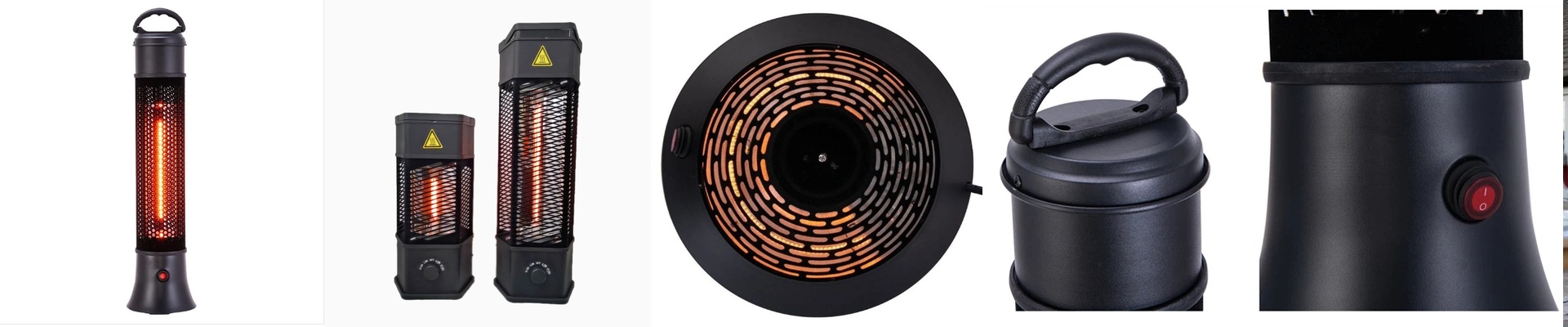
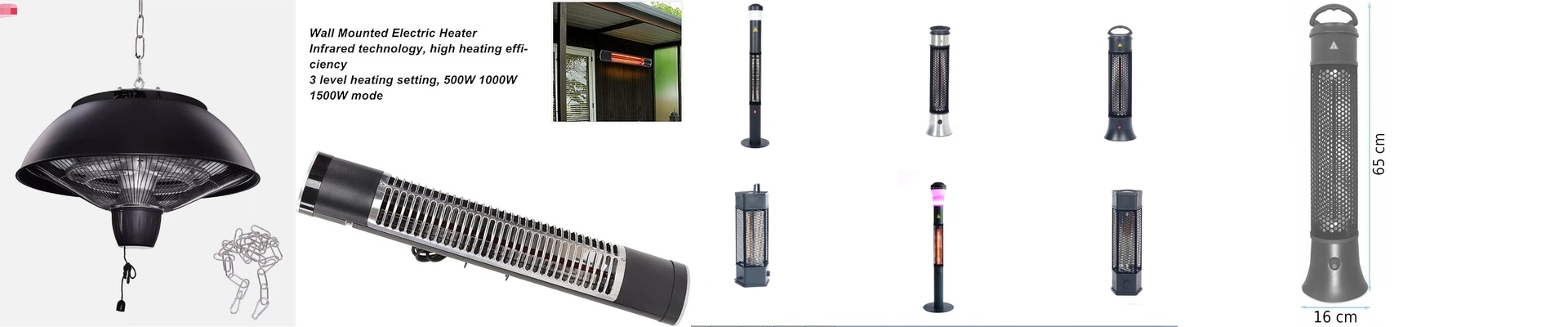
Why we put our bathroom heaters through hell before they hit your ceiling
Let’s be honest: bathrooms are a nightmare for electronics. You’ve got thick steam, wild temperature swings, and constant moisture hanging in the air. It’s a brutal environment. That’s why we don’t just build these infrared heaters and ship them out the door. Instead, we put every single batch through a “damp-heat aging” cycle. Basically, we try to break them on purpose so they don’t break in your home. The battle against moisture Here’s the thing about humidity: it loves to find a way in. Water vapor is sneaky. If a seal is off by even a tiny fraction of a millimeter, moisture creeps into the halogen gas chamber. Once that happens, you get cloudy tubes or, even worse, the whole thing just burns out. To stop that, we use aging chambers that mimic months of steamy showers in just a few days. We’re hunting for corrosion and electrical leaks. We want to find the weak spots now, not after you’ve already installed the unit. Pushing things to the limit We don’t just make it damp; we make it hot. By cranking the heat while keeping the humidity at a peak, we force the materials to expand and shrink rapidly. It’s a stress test. We check if the reflectors warp or if the brackets start to loosen. A heater might look great in a dry, air-conditioned lab, but a real shower room is different. The unit “breathes” as it heats up and cools down. If the seals can’t handle that rhythm, the heater is useless. The honest truth about cost Doing this takes time. It adds to our overhead and slows down the production line. It’s way easier to just do a quick “power-on” test and call it a day. But we’ve seen what happens with the cheap stuff. Those units often die after three months because the manufacturer skipped the hard part. We’d rather take the hit on the production time so you get a heater that doesn’t short out the moment your bathroom gets steamy. Even if your ventilation is terrible and the room stays damp, our hardware is built to take the beating.