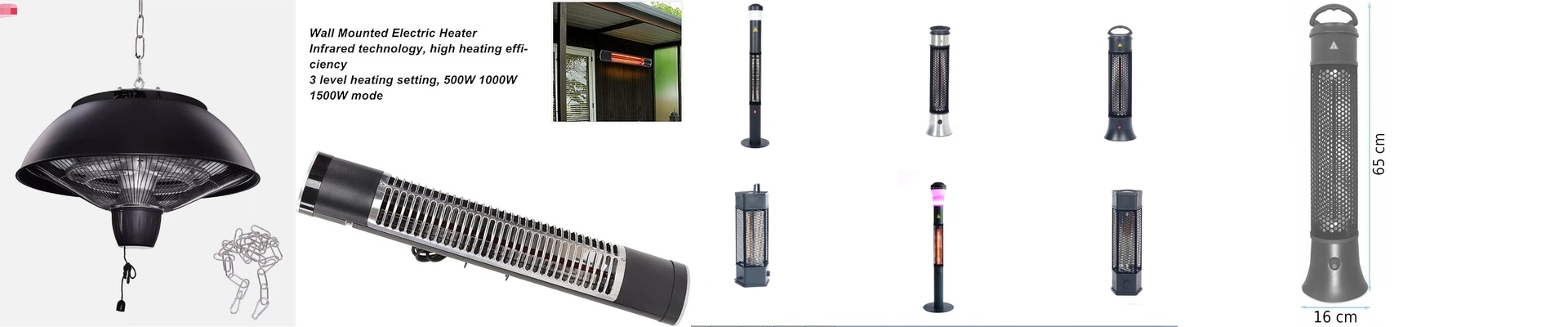
Why “Explosion-Proof” Quartz Actually Matters in Your Bathroom
If you’re picking out an infrared heater for a bathroom or any spot where things get damp, you’re looking for more than just a way to stay warm. You’re actually trying to stop a disaster. Here is the problem: standard quartz tubes hate cold water. If a stray droplet hits a tube that’s running at several hundred degrees, it doesn’t just slide off. It cracks. And once that tube snaps, you’ve got live electrical filaments sitting right there in a wet room. Not a great scenario. The safety stuff That’s why we use explosion-proof quartz. It’s built to handle those wild temperature swings without giving up. Even if the worst happens and a tube breaks, the design keeps the filament from turning into a secondary electrical hazard. Then there’s the IP55 rating. In plain English? It means the housing keeps dust out and can take a spray of water from pretty much any angle. You can put these near a shower and not spend your whole morning worrying about steam or splashes shorting out the circuit. Getting the heat right These heaters use shortwave infrared. Instead of trying to warm up all the chilly air in a drafty bathroom—which takes forever—it sends heat straight to your skin. It’s instant. But there’s a catch. All that heat puts a lot of pressure on the reflectors. We use polished aluminum or gold-coated surfaces to push those rays forward. Just keep an eye on them. Bathroom chemicals can pit or corrode those surfaces over time, and once that happens, your heat throw drops. A quick check every few months keeps things humming. A few tips for the install These are designed to be easy drop-in replacements for your old patio or bathroom heaters, but don’t cut corners on the wiring. Use high-temp wire. If you use a gauge that’s too thin, you’ll get a voltage drop that kills your lamps way faster than they should die. Also, make sure your breaker can handle that initial surge when the quartz first kicks in and hits operating temperature. Simple, but it saves you a headache later.