Why Your Bathroom Heater is Doing More Than Just Keeping You Warm
Most people see those bathroom heat lamps and think, “Great, I won’t freeze when I step out of the shower.” But there’s actually some pretty cool stuff happening behind the scenes. When we build these waterproof infrared heaters, we aren’t just trying to stop you from shivering—we’re actually fighting a war against moisture.
Stopping Mold Before It Starts
Here is the thing about mold: it loves a damp, chilly room with air that doesn’t move. If you use a standard space heater, it just warms up the air. The problem is that your wall tiles stay cold. When that warm, moist air hits a cold wall? Boom. Condensation. That’s where infrared (SWIR) technology comes in. Instead of heating the air, it beams heat directly into the walls, floors, and ceiling. It warms the actual surfaces of your room. Since the walls aren’t cold anymore, the water doesn’t cling to them. No condensation means no food for mold. It’s basically a way to dry out your room without even thinking about it.
Built for the Steam
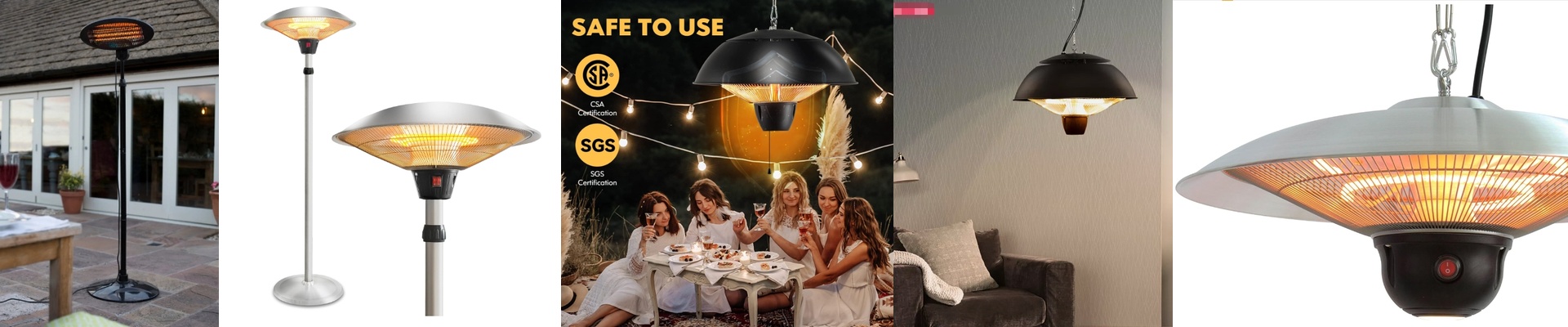
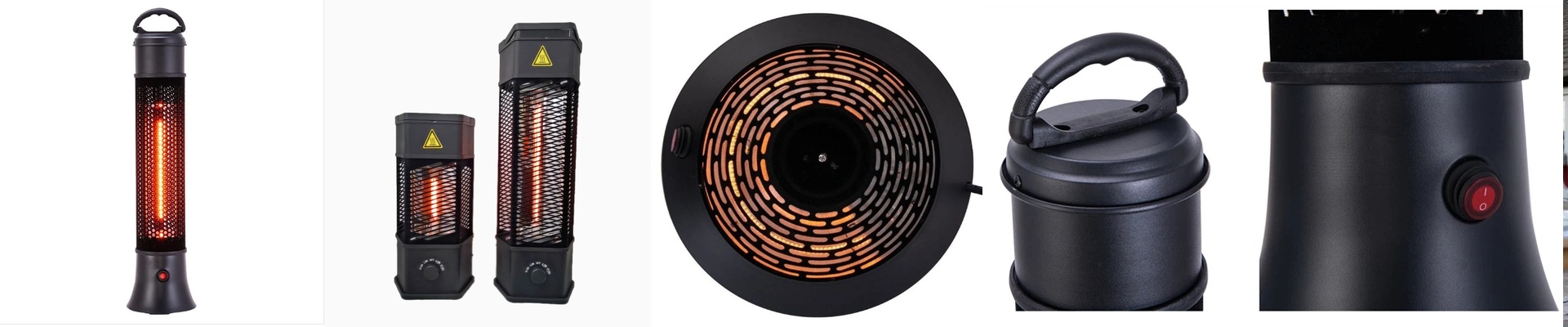
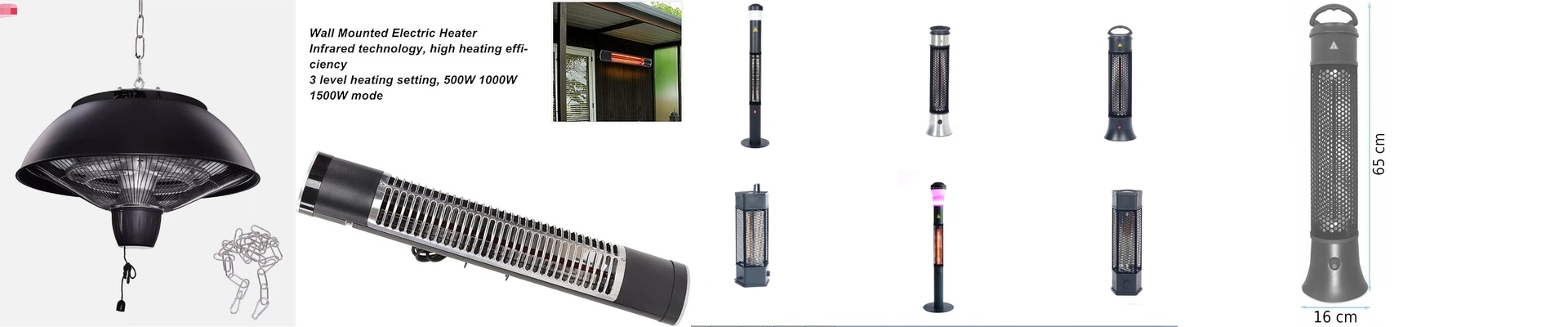
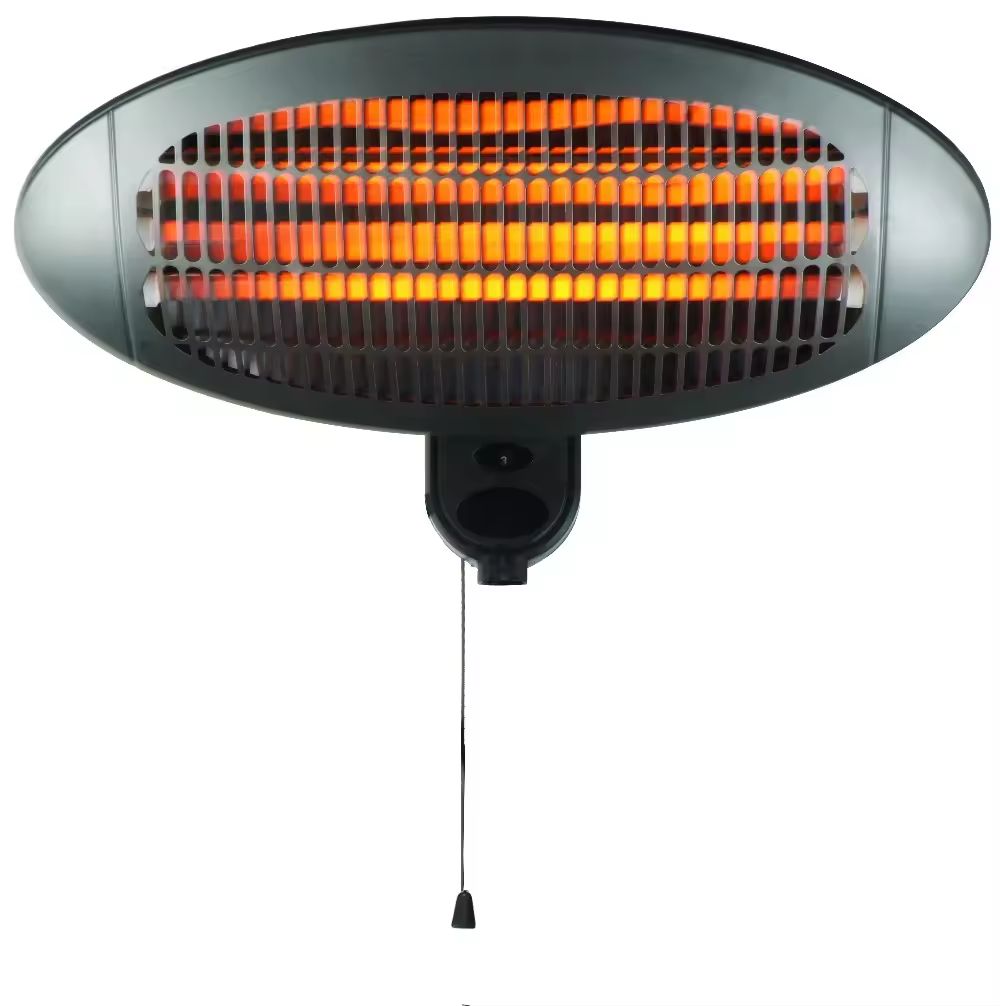
You can’t just put a regular heater in a bathroom. The steam would wreck the electronics in no time. That’s why we use IP-rated waterproof housings to keep the guts of the machine safe. Inside, there’s usually a quartz tube filled with halogen gas. It sounds fancy, but all it really does is let us pack a ton of heat into a tiny space without burning out the bulb. It creates this intense, concentrated heat that evaporates surface water fast. That’s the secret to keeping a bathroom feeling fresh instead of swampy.
The Sweet Spot
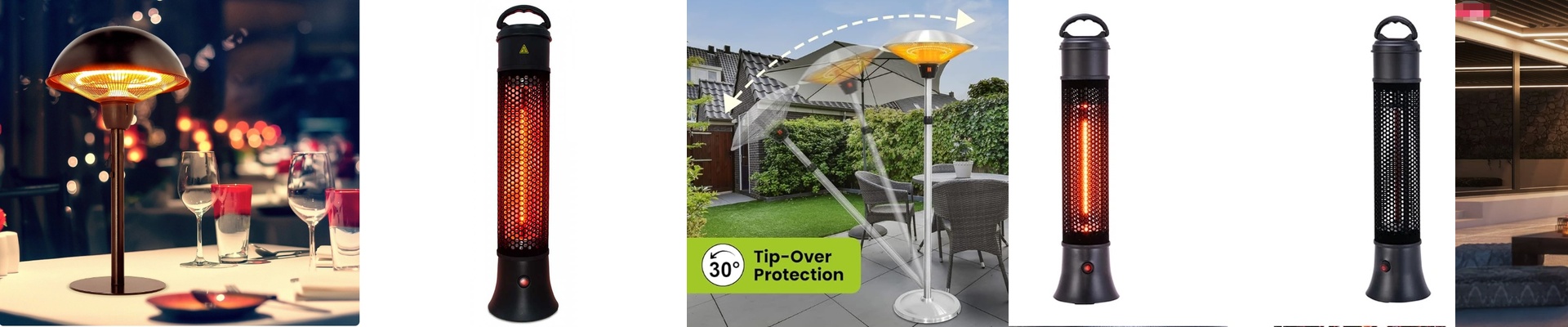
There is a catch, though. Since these lamps are so powerful, they create a very specific heat zone. If you mount them too low, you’re going to feel like you’re standing under a heat lamp at a buffet—it’s just too hot. But if you put them too high, they won’t hit the walls hard enough to stop the mold. It’s all about finding that middle ground. Get the height right, and you get a bathroom that’s dry, healthy, and actually comfortable to stand in.