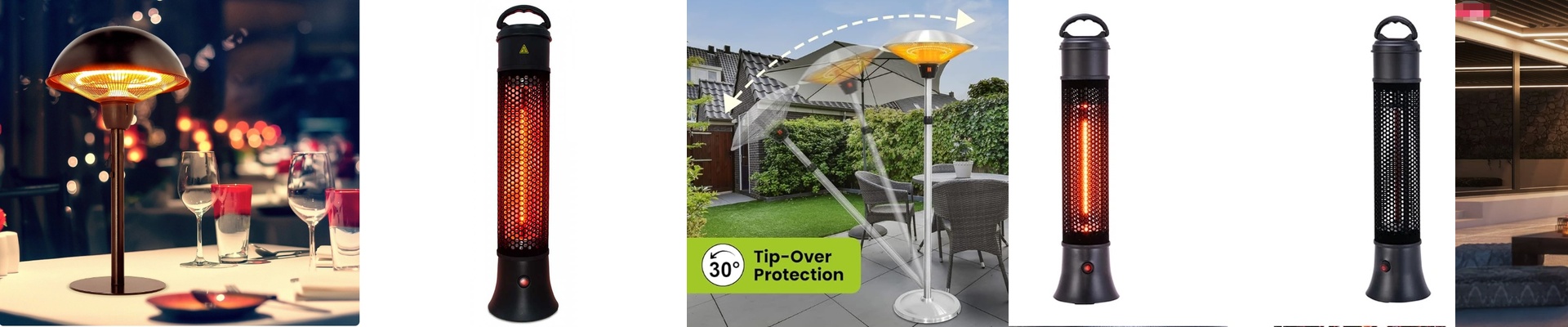
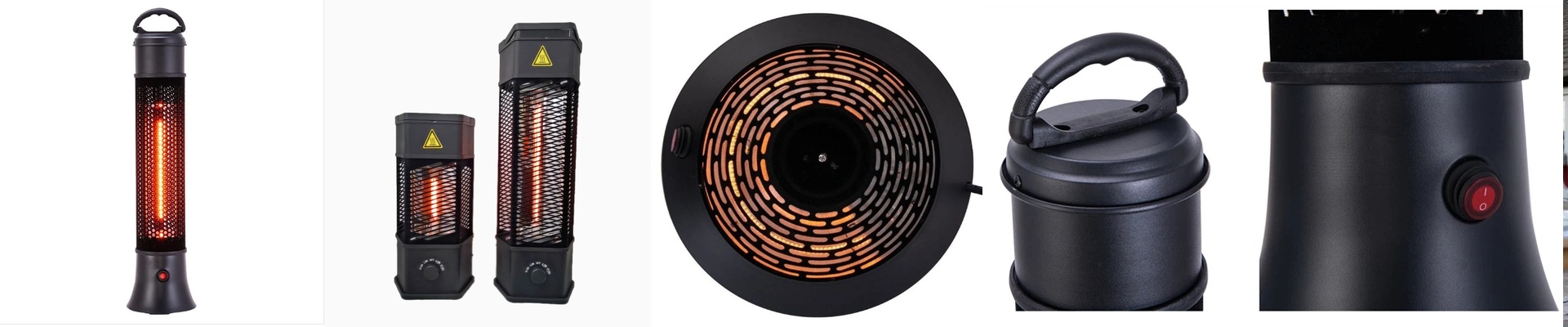
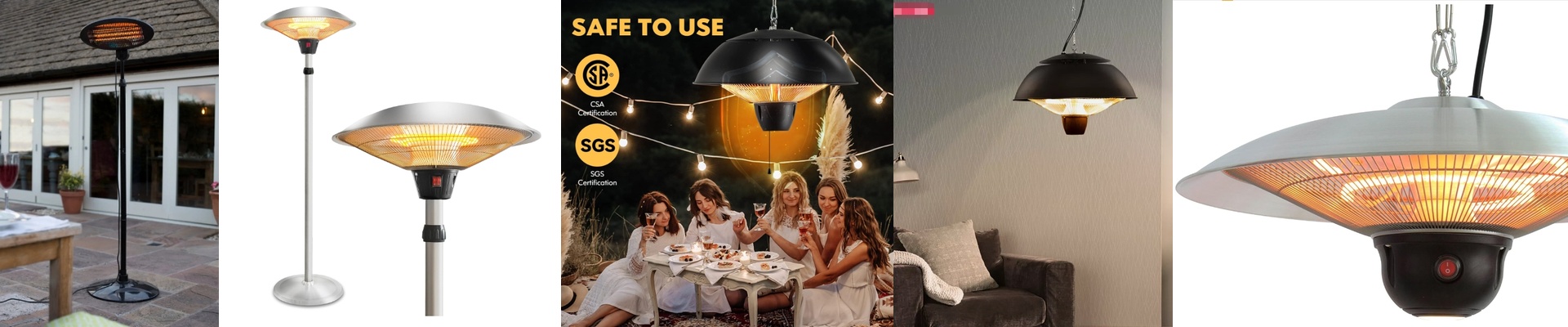
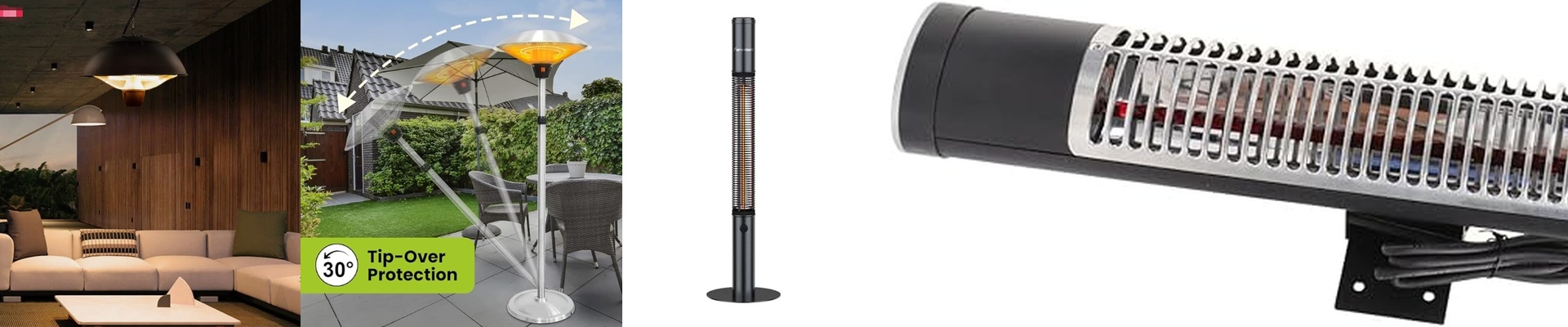
Stopping the Short: Why Your IP55 Heater Seals Actually Matter
If you’ve ever dealt with IP55 waterproof table heaters, you know there’s one spot that always seems to act up: right where the lead wires plug into the heating element. It’s a tricky spot. Most people think it’s just about keeping water out, but it’s actually a battle against heat. These heaters spend their lives expanding and contracting as they heat up and cool down. That constant “breathing” is what kills a cheap seal.
Why most seals fail
Here is the thing: a lot of heaters just use a basic rubber or silicone gasket. That works for a while. But after enough high-temp spikes, that rubber starts to shrink or crack. Once that happens, moisture sneaks in. It doesn’t always happen fast. Instead, you get this slow leak that turns the insulation into carbon. Before you know it, you’ve got a dead short or a fried controller on your hands. Not exactly how you want to spend your Tuesday. We do things a bit differently. Instead of just plugging a hole, we use a multi-stage potting process. We inject a high-temp epoxy resin that creates a rock-solid, airtight bond between the cable and the chassis. It stops “wicking”—that annoying habit moisture has of traveling inside the wire insulation itself.
The reality of the workshop
An IP55 rating sounds fancy, but in a real-world workshop, it just means the unit can handle a bit of dust and some low-pressure water jets. In reality, it’s usually oil mist and coolant spray. To handle that, we use fluorinated polymers for the jackets. They don’t melt. They don’t get brittle. They just do their job while the heater is running at full tilt. One quick tip:**don’t pull your cables tight.**If there’s too much tension on the wire, you’re basically pulling on that seal. That stress creates tiny micro-gaps in the potting, and that’s exactly how the moisture gets back in.
The trade-off
There is one catch. Because we pot the leads in epoxy to make them waterproof, you can’t just open them up and fix a wire in the field. If a cable gets severed, you can’t just strip the wires and solder them back together inside the housing. Doing that would ruin the IP55 seal and make the whole thing unsafe. If the cable goes, you’ll need a drop-in replacement unit to keep everything running safely.