Engineering Fast-Response Infrared Radiators for Ultra-Long Glass Tunnel Kilns
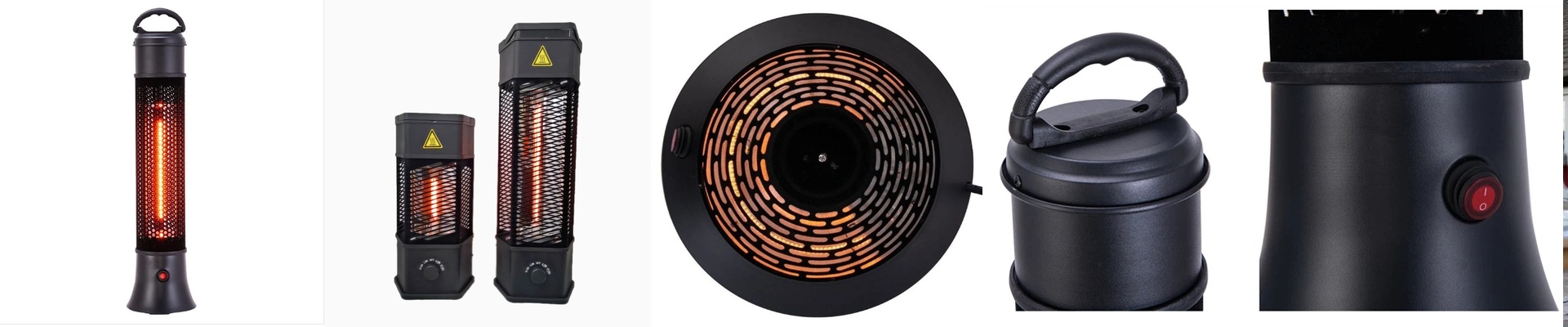
When you’re running an ultra-long glass tunnel kiln, you know the struggle. You need heat that’s rock-solid across the whole length. But standard, shorter heaters? They leave you with hot spots and cold spots, and that means uneven glass. So we built something different. A custom infrared heating unit that stretches over 2 meters, designed specifically for the job. It’s built to keep the heat even from one end to the other.
Power, Voltage, and Dimensions—The Real-World Details
Here’s the thing about a heating element that’s over 2 meters long: you can’t just wing it with power. To keep the heat strong all the way down the line, we spec these units at 400V. That higher voltage keeps the power steady, so the element at the far end doesn’t get lazy and underperform. And because it’s one continuous unit, there are no gaps. No more dead zones between heaters. You get one smooth, even heat profile that blankets the entire glass path.
The Halogen Advantage: Built for Speed
We use a halogen-filled quartz tube at the core. Why? Because speed matters. The filament hits operating temperature almost instantly—we’re talking seconds, not minutes. And the quartz envelope handles the shock of rapid on-off cycling without cracking. We finish it off with R7s end caps. It’s a practical, tough choice. This standardized connection makes wiring the long array straightforward, and it holds up against the constant vibration inside the kiln.
Solving for Scale: One Unit, Fewer Headaches
In a long tunnel kiln, you need heat that covers the entire length, consistently. Our custom-length units are a direct answer to that problem. They replace a whole bank of shorter heaters, which means simpler installation and fewer parts that could fail. Now, there is a trade-off. A high-wattage, 2-meter-plus unit packs a lot of heat. That means your kiln’s cooling and airflow systems need to be properly set up to handle the extra warmth. But when everything is engineered together, you get a system that delivers rapid, steady heat—the kind you need for high-throughput glass processing.