
Making High-Ceiling Infrared Heaters Actually Work With Your Smart Home
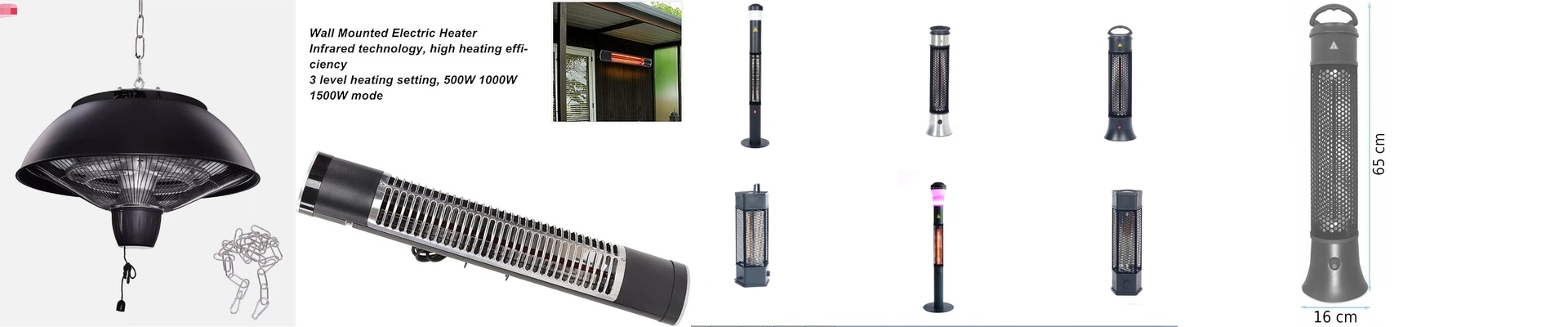
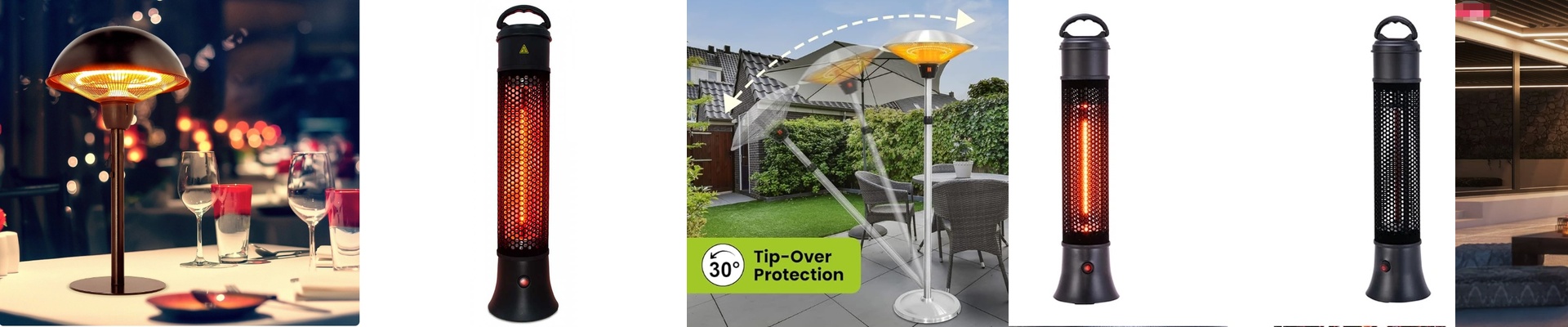
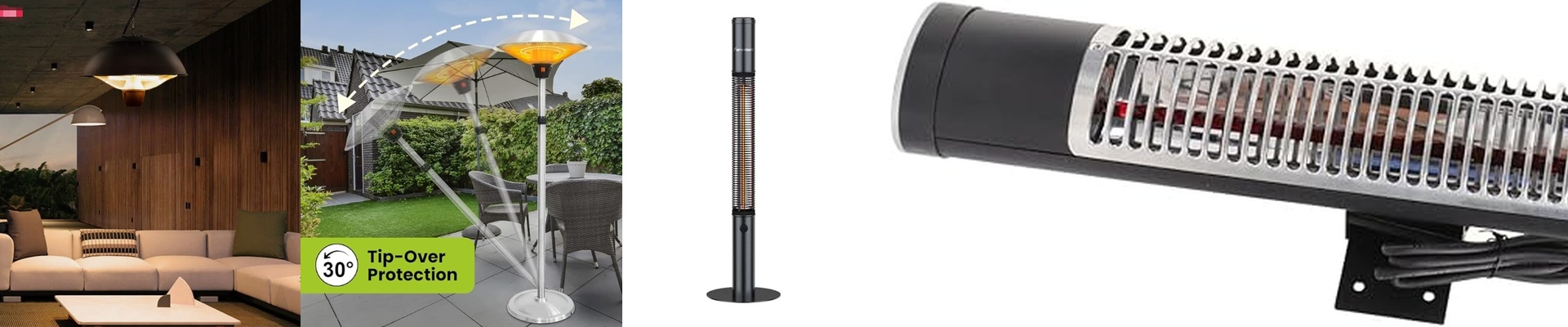
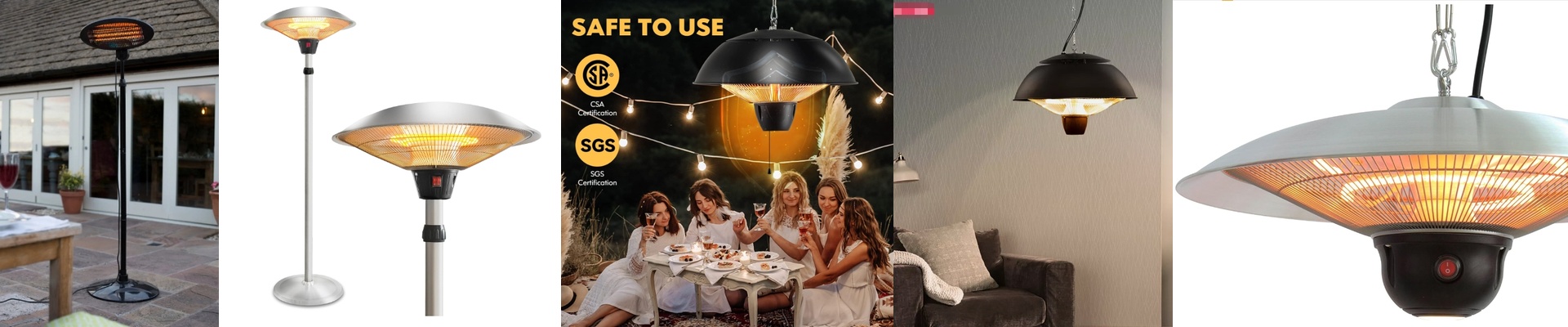
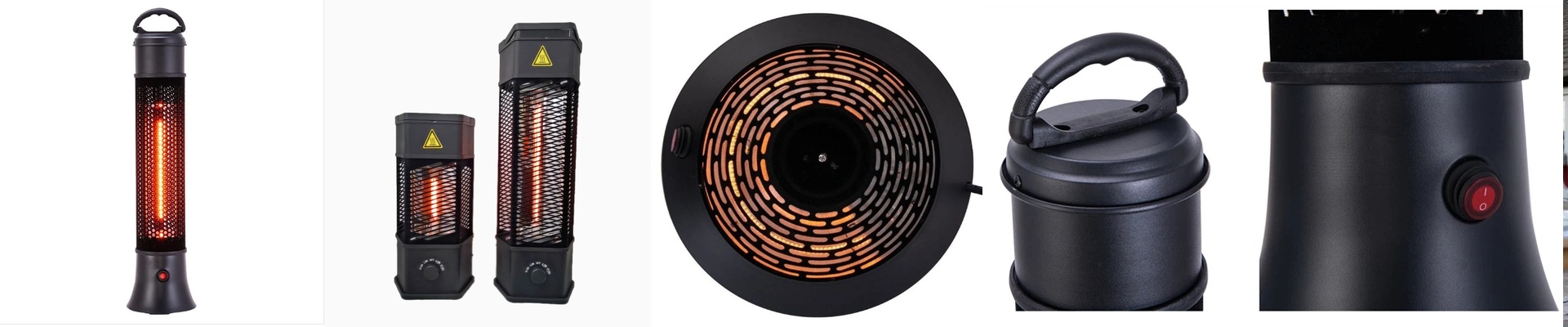
If you’ve got a massive foyer or one of those industrial lofts with ceilings that seem to go on forever, you know the struggle. You crank up the heat, but all that warmth just floats to the top of the room. You’re shivering on the couch while the ceiling is practically tropical. It’s a waste of money and a pain in the neck. That’s where infrared comes in. Instead of trying to heat all that empty air, infrared beams heat go straight to you and your furniture. It’s like standing in a patch of sunlight on a cold day.
Getting it “Smart”
The goal here is to have that “instant spring” feeling the second you walk through the door. To do that, we hook the heaters up to a smart bridge using things like Zigbee or Matter. We connect the heater’s power to a hub, so when your phone’s GPS tells the house you’re pulling into the driveway, the “Welcome Home” scene kicks in. The best part? There’s no waiting. You don’t have to wait an hour for a furnace to kick in or a floor slab to warm up. You hit the switch, and you feel the heat almost immediately.
The Nitty-Gritty Stuff
You can’t just plug these into a random wall outlet. Since we’re using high-wattage ceramic or quartz elements to push heat all the way from the ceiling to the floor, these things are power-hungry. If you try to run a 3kW or 5kW unit on a standard 15A home circuit, you’re going to trip the breaker. I always suggest running dedicated 20A lines for each zone. It’s a bit more wiring upfront, but it saves you from a dark house in the middle of January. And since we’re using smart tech, we don’t have to settle for a clunky “on or off” switch. We can use PID control, which is just a fancy way of saying the system breathes. It adjusts the power based on what the sensors are actually seeing in real-time. One thing to keep in mind: infrared needs a clear shot. If you put a giant wardrobe or a tall plant right under the heater, that spot is going to stay cold. You have to plan your layout based on where you actually hang out, not just where the ceiling looks the cleanest.
Making it Feel Natural
The secret to a system that actually feels “smart” is where you put the sensors. Most people make the mistake of putting temperature probes up high. But heat rises. If the sensor is near the ceiling, it’ll think the room is toasted and shut off while your toes are still freezing. We put the probes down at floor level. That way, the heater keeps humming along until the area where you’re actually living hits the right temperature. It just works.