Why you need fast-response IR lamps for CNC glass
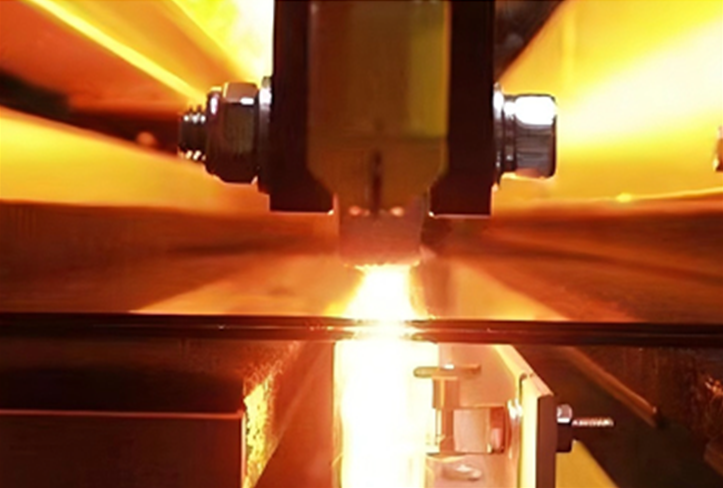
If you’ve ever dealt with glass cutting on a CNC line, you know the headache. One wrong move with the temperature and you’ve got stress fractures or jagged breaks. It’s frustrating. To stop that from happening, we use shortwave infrared (IR) lamps for “online annealing.” Basically, we heat the glass while it’s still moving. This keeps the line humming along without having to stop and wait for the glass to get warm.
Why speed actually matters
Most heating elements are just too slow. They take forever to get up to temp, but in a CNC setup, your glass is moving fast. That’s where shortwave IR comes in. Instead of trying to heat the air around the glass, these lamps beam energy directly into the material. It’s nearly instant. The lamps hit full power in seconds, knocking down that internal tension in the glass right before the cutting head hits. It just makes the whole process smoother.
Getting the specs right
When you’re picking out lamps, look at the wattage-to-length ratio. That’s what controls your speed. If you’re working with thick glass, you’ll need a high-wattage quartz tube to get enough punch through the material. But here’s the catch: all that heat goes somewhere. High-density heat is tough on your reflectors and housing. If your cooling fans aren’t up to the task, you’re going to fry your wiring. It’s a simple fix, but a costly mistake if you forget it.
Keeping things simple
Nobody wants to spend hours fixing a machine when a part dies. We build these units for quick swaps. We use standard connectors—think R7s or Sk15—so you can pull a dead lamp and pop in a new one in a few minutes. No soldering, no stress. One last tip: placement is everything. If the lamp is too close, you’ll get “hot spots” that can ruin the glass. Too far, and the glass won’t be warm enough by the time it reaches the cutter. You’ve got to find that sweet spot based on how thick your glass is and how fast your line is running. Once you dial that in, everything just flows.