Dealing with Tight Spaces in Glass Finishing Lines
Let’s be honest: most off-the-shelf heating elements are a nightmare when you’re working with a non-standard bending furnace. You’re fighting for every single millimeter of space. In a high-gloss dryer, a standard straight tube usually ends up being a liability—it either doesn’t fit the chassis at all, or it leaves those annoying cold spots that ruin a finish.
Getting the shape right
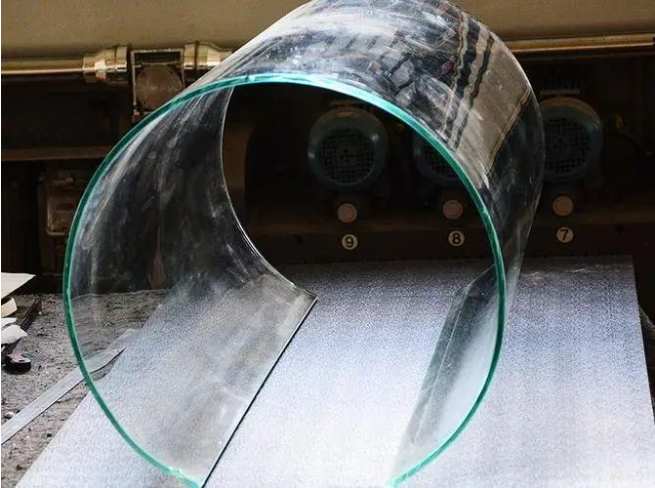
We don’t believe in “close enough.” We build IR lamps to your exact length and shape so you can actually fill those gaps. Maybe you need a specific bend radius to hug a curved furnace, or a weird length to make sure you’re hitting the very edges of the conveyor. It matters. If the lamp is too short, your curing is uneven. If it’s too long? You’re risking a burnout because the heat has nowhere to go.
The balancing act
Changing the shape isn’t just about making it fit; it’s about how the heat actually hits the glass. When we bend a lamp to follow the contour of your workpiece, we’re cutting the distance between the emitter and the glass. That means the radiation hits harder and your ramp-up times get a lot faster. But here’s the thing: you can’t just bend quartz into a pretzel. Tighter bends put more stress on the envelope. We spend a lot of time balancing that bend radius against the wattage so the tube doesn’t crack when things get hot. Just a heads-up—if you’re pushing for extreme watt density in a tiny custom shape, you’ll want to make sure your cooling fans can keep up with the extra heat around the holders.
Making it work with what you’ve got
Nobody wants to rip out their entire electrical panel just to swap a lamp. That’s why we use industry-standard connectors. These are designed to be drop-in replacements. You wire them up, they work, and you’ve solved that frustrating “spatial puzzle” without having to rebuild your whole machine. Simple.