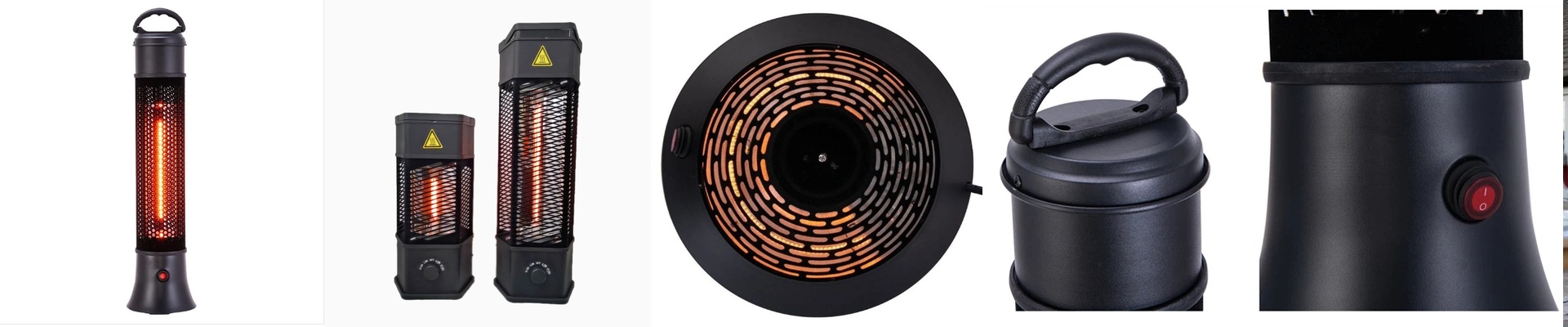
Trying to fit high-performance infrared (IR) heaters into a mobile glass repair bracket is a bit of a balancing act. You’re fighting a war between how much power you have and how much room you’ve got. When you’re working out of a portable rig, you can’t just lug around a massive power cabinet. You need something that gets hot—fast—without tripping your breakers or melting your frame. Getting the heat right The trick to keeping things small is using shortwave IR emitters. These are great because they punch through glass way better than the medium or longwave stuff. You aren’t standing around waiting for the glass to hit the right temperature for cutting; it just happens. We use high-watt-density quartz tubes to keep the footprint tiny. By tweaking the filament length to match the voltage, we can cram a ton of heat into a very small space. The nuts and bolts Since this is a mobile setup, things shake. A lot. That’s why we use specialized connectors—because the last thing you want is a lamp rattling loose in the middle of a job. We also don’t mess around with the glass. We use a specific quartz envelope that can handle “thermal shock.” If you use cheap glass and it hits a cold spot or cools down too fast, it’ll crack. Our quartz takes that rapid heating and cooling without breaking a sweat. The catch Here’s the thing: when you put that much heat into such a small area, you create a serious hotspot. It gets the glass ready in seconds, but it’s brutal on the bracket’s insulation. If your bracket is made of aluminum or steel, that heat is going to soak right into the frame. To stop the whole thing from warping, you’ll want to use ceramic stand-offs or some active cooling. And a pro tip? Use high-temp silicone leads for your wiring. Otherwise, you’re just waiting for the insulation to melt during a long day of work.