Getting the Balance Right: Print Quality vs. Glass Strength in IR Tempering
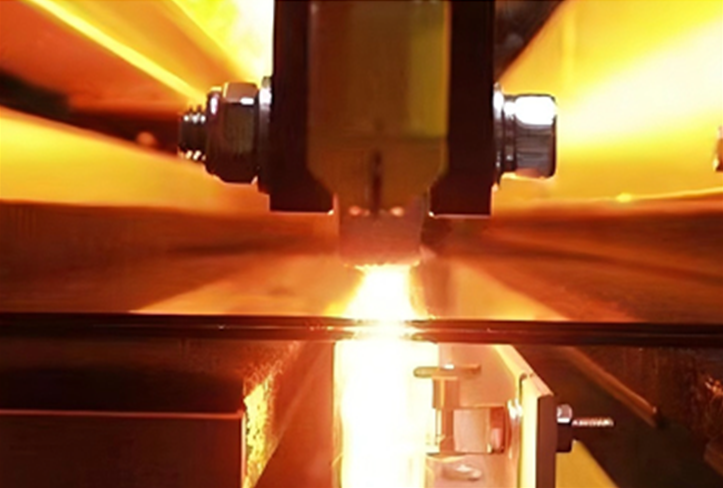
When you try to temper glass right after screen-printing, you’re basically walking a tightrope. You need a very specific heat window. If you move too slowly, your ink starts to bleed or smudge, and the whole piece is ruined. But if you crank the heat too high too fast? You’re looking at thermal shock or a distorted pattern. It’s a headache. That’s why we use shortwave infrared (IR) lamps. They hit the glass with high-density energy that sinks in fast, rather than just hovering on the surface.
Keeping the ink from acting up
The trick is to hit tempering temperature without “soaking” the ink for too long. Shortwave IR creates a steep temperature gradient. Think of it as a flash-heat for the glass. By tweaking the wattage and how you space the lamps, you can make sure the ink cures and bonds tightly while the glass itself reaches that softening point. But you’ve got to keep a close eye on the surface temp. These high-wattage lamps put out a massive amount of heat. If your conveyor is crawling, the ink will burn or change color right before your eyes. Your line speed has to be perfectly synced with your lamp output. No shortcuts here.
The gear and the trade-offs
We usually put these lamps in quartz envelopes because, frankly, the heat is intense and standard materials just wouldn’t hold up. We go with the shortwave spectrum for a simple reason: glass lets these wavelengths pass through much better than medium or longwave IR. This means the heat actually goes into the glass. One thing to watch out for: the wiring. These IR arrays pull a lot of current. If your power supply isn’t beefy enough to handle the peak load, you’ll get voltage drops. Once that happens, your heating consistency goes out the window.
Real-world shop floor tips
Here is a pro tip for when you’re setting these up:keep your reflectors polished. It sounds like a small detail, but any oxidation on those reflectors kills the heat flux. When that happens, you’ll be tempted to run the lamps even hotter just to compensate. That is a fast track to burning out your lamps way too early. Keep them clean. Your wallet (and your production schedule) will thank you.