Keeping Bathrooms Warm Without Blinding Your Guests
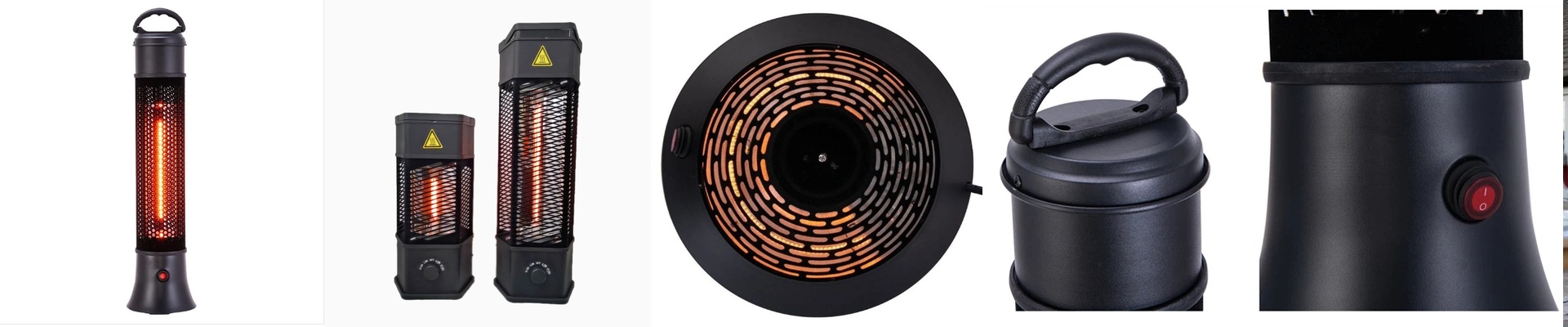
When you’re putting together an infrared heater for a bathroom, you’re fighting two different battles. One is the cold—which is easy to fix. The other is the light. If you use a standard short-wave lamp, you get a glare that’s honestly blinding. It’s way too harsh, especially for kids or babies who can’t just look away. We can’t have that. So, we use special quartz coatings and spectral filters to tweak how the light behaves. The trick to “eye-safe” heat Here’s how it works: we basically strip away the aggressive UV and high-intensity visible light. Instead of that raw, white-hot glow that makes you squint, the lamp focuses its energy on infrared radiation. You still get that deep, cozy heat that dries out a damp room in minutes, but your eyes don’t take a beating. It’s a much more relaxed experience. Dealing with the steam Bathrooms are brutal on electronics. Between the steam and the occasional splash, things get wet. That’s why we wrap everything in IP66-rated housings. It’s basically a shield for the electrical bits. We also use high-purity quartz glass for the tubes. Why? Because these things heat up and cool down fast. Cheaper glass would just crack under that kind of stress. One quick tip if you’re installing these for a client:**watch the gaskets.**If the housing is even slightly crooked during install, that IP66 seal is useless. Water gets in, and you’ve got a problem. The honest trade-off Now, there is a catch. When you filter the light to make it safe, you lose a tiny bit of that raw, industrial heating speed. It takes a few seconds longer to hit peak temperature than a “naked” lamp would. But in a home? That’s a trade we’ll make every single time. Safety wins. Just a heads-up on the electrical side: make sure your breakers can handle the initial “inrush” current when those halogen filaments kick in. Otherwise, you’ll be replacing tripped breakers more often than you’d like.