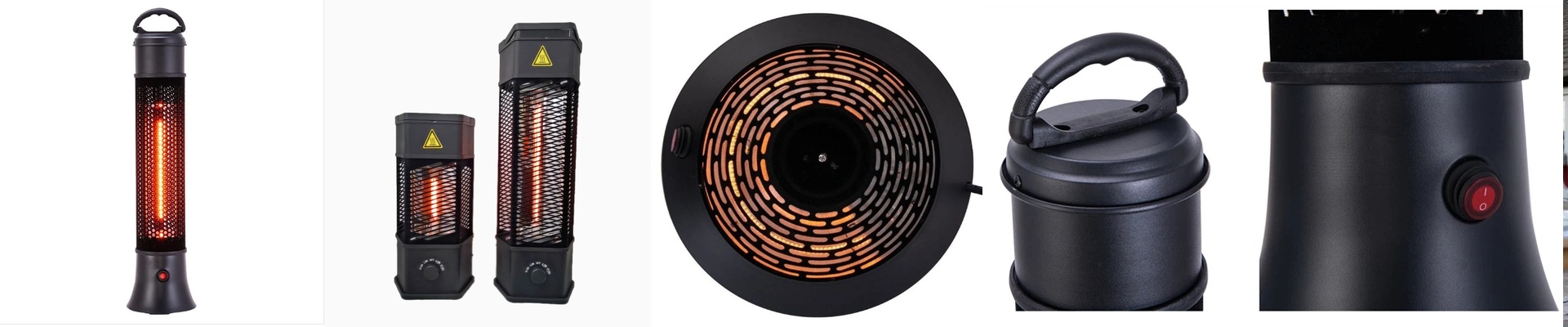
How to actually heat a pergola or open-air space
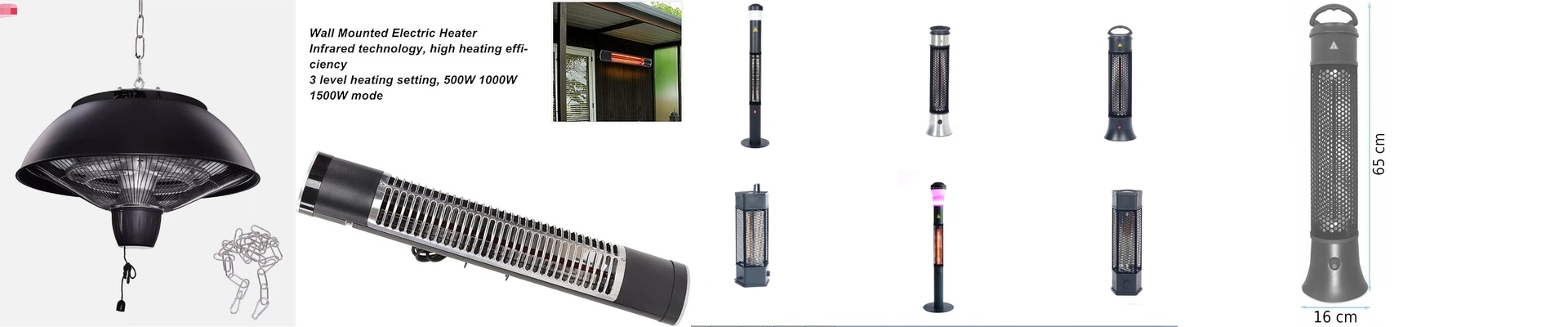
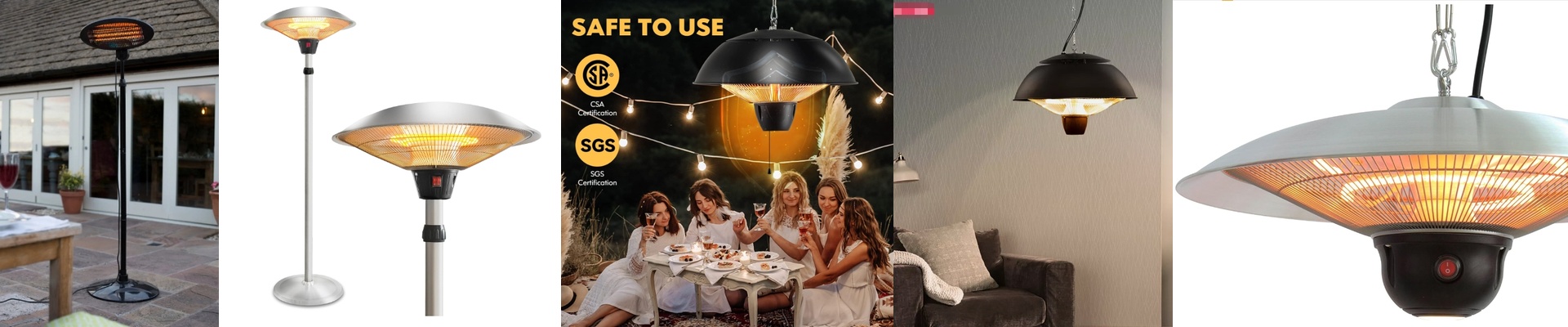
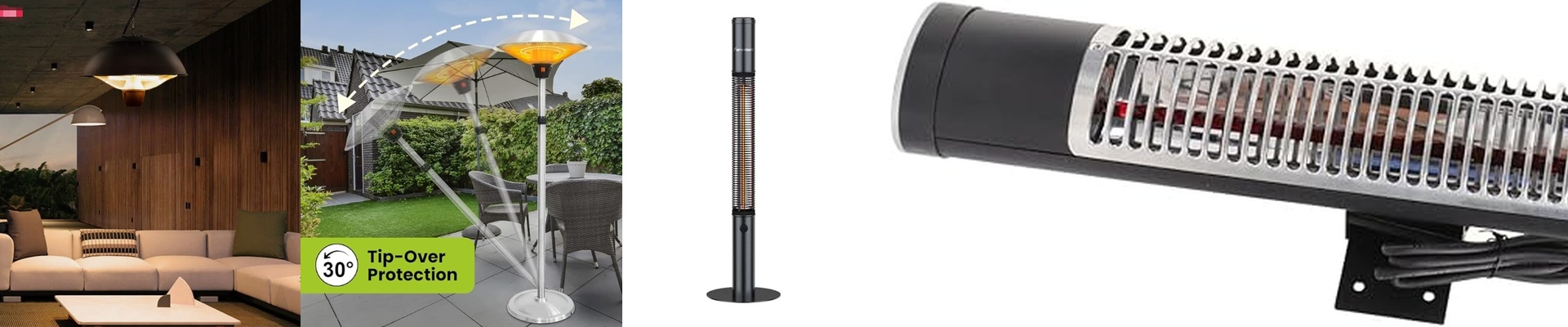
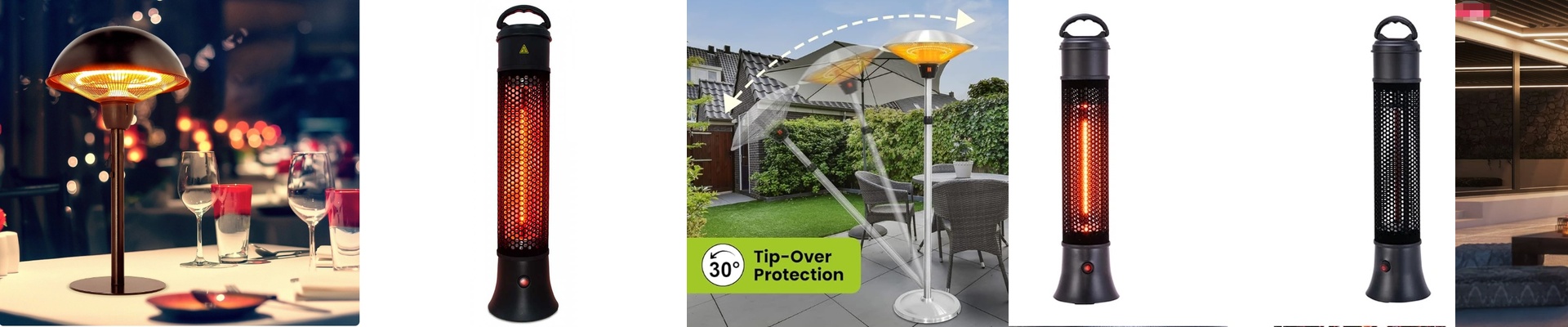
If you’ve ever tried to heat a pergola or a changing area with a standard heater, you know the struggle. You turn it on, the heater works its heart out to warm the air, and then a single breeze comes along and blows all that warmth right away. It’s frustrating. That’s why we use shortwave infrared. Instead of fighting the wind to heat the air, infrared goes straight for the target. It hits you—or the person standing there—directly. It’s the difference between waiting for a room to warm up and stepping into a beam of sunlight on a cold day. You can turn a freezing dressing zone into a cozy spot in seconds. Getting the power right To get that “instant warmth” feeling, you need some serious muscle. We go with high-wattage elements because, in the outdoors, you’re fighting a losing battle against the elements. Here’s the thing: you have to think about your footprint. You can’t just guess the wattage; you’ve got to look at your local weather and how open the space is. If you don’t have a ceiling to trap some of that heat, you’ll need to bump up the power to make sure people actually feel it. Dealing with the elements Rain and humidity are brutal on electronics. To stop things from shorting out, we use IP-rated housings that keep the moisture far away from the electrical terminals. The heating elements themselves live inside quartz glass. We often add special coatings to those tubes to change how the heat hits you, making it feel more natural and deep, rather than just a surface sting. And please, don’t skimp on the wiring. We use heavy-duty terminals that won’t rust or corrode when the air gets damp. If you’re installing these in a place that’s constantly wet, make sure your circuit breakers are GFCI protected. It’s just common sense. A few things to keep in mind These lamps are powerful, but they’re directional. You can’t just slap one in the middle of the ceiling and expect the whole area to be warm. It doesn’t work like that. You have to overlap the “heat cones” so there aren’t any cold spots where guests are shivering. Also, keep an eye on your electrical panel. These high-wattage tubes pull a lot of current. If your wiring isn’t up to the task, you’ll be spending your afternoon resetting tripped breakers. Check your capacity before you start drilling holes.